Basilicata: Italy's Secret Treasure
Basilicata is one of the Italian regions that has managed to preserve its authenticity away from mass tourist circuits. Also known as Lucania, this borderland between Campania, Puglia and Calabria preserves breathtaking landscapes, thousand-year-old historical testimonies and a deep culture rooted in Magna Graecia.
Matera: The UNESCO Sassi
Matera is Basilicata's undisputed jewel, European Capital of Culture 2019 and film set for international movies. The Sassi – Sasso Caveoso and Sasso Barisano – represent one of the world's oldest human settlements, with cave dwellings carved into limestone rock inhabited for millennia.
Today the Sassi are a fascinating labyrinth of cave houses transformed into charming hotels, restaurants, artisan shops and museums. Guided tours allow you to explore frescoed rock churches like Santa Maria de Idris and the Crypt of Original Sin (the Sistine Chapel of rock wall painting), house-museums that tell the story of peasant life until the 1950s, and panoramic viewpoints offering unforgettable views.
Nighttime experiences in Matera are magical: dinners in cave settings, walks under the stars through illuminated alleys, aperitifs on rooftops overlooking the Sassi.
Murgia Materana Park and Rock Churches
The Archaeological Historical Natural Park of Rock Churches surrounds Matera with over 150 rock churches and settlements carved into the canyons. Hiking excursions or e-bike tours through the gravina allow you to discover these hidden treasures, following ancient tratturi between Mediterranean scrubland, caves, and panoramic views of the old city.
Lucanian Dolomites and Castelmezzano
The Lucanian Dolomites are one of the Apennines' most spectacular landscapes: rock spires that suddenly rise between forests and valleys. The villages of Castelmezzano and Pietrapertosa, among Italy's most beautiful, are literally perched among the rocks.
Here you can try the Flight of the Angel: an exciting zipline connecting the two villages allowing you to fly at 120 km/h suspended on a cable 400 meters high, with breathtaking views of the Lucanian peaks. For the more adventurous there's also the Path of the Seven Stones, a Tibetan bridge suspended in the void.
Hiking and sport climbing on the Lucanian Dolomites attract enthusiasts from all over Europe, with routes of varying difficulty and unique panoramas.
Pollino National Park
Pollino National Park is Italy's largest and extends between Basilicata and Calabria. Here grows the Loricato Pine, monumental tree symbol of the park, and wolves, roe deer, woodpeckers and golden eagles live.
Outdoor activities include rafting on the gorges of the Lao and Sinni rivers, canyoning, canyoneering, mountain biking on epic routes, trekking to the summit of Monte Pollino (2,248 m), and in winter cross-country skiing and snowshoeing in snowy woods.
The Badlands and Lunar Landscapes
The badlands are clay formations eroded by time creating surreal, almost lunar landscapes. The most striking are found in Aliano (town where Carlo Levi was confined, author of "Christ Stopped at Eboli"), Pisticci, Montalbano Jonico and Tursi.
Photography tours at sunset among the badlands offer spectacular images with plays of light and shadow that continuously transform the landscape.
Maratea: The Tyrrhenian Pearl
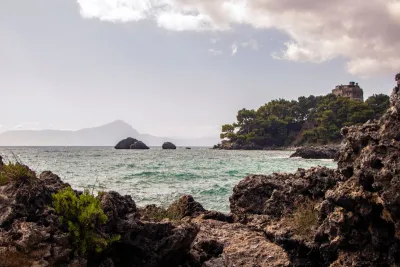
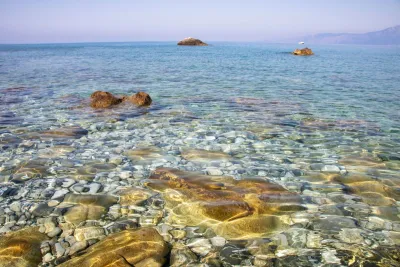
Maratea is the only Lucanian town on the Tyrrhenian Sea, known as the "Pearl of the Tyrrhenian" for the beauty of its 32 beaches and hidden coves between cliffs and crystal-clear waters. The 21-meter-high Cristo Redentore dominates the coast from Monte San Biagio.
Boat excursions allow you to discover sea caves like the Cave of Wonders, coves accessible only by sea, and to snorkel in transparent waters. Kayaking, stand-up paddling and diving are perfect activities to explore the Maratea coast.
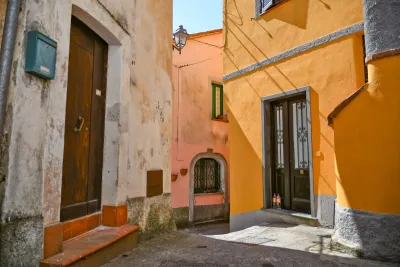
The perched old village, with its 44 churches, offers romantic views and timeless atmospheres.
Ionian Coast: Metaponto and Policoro
The Ionian Lucanian coast offers golden sandy beaches and shallow waters ideal for families. Metaponto preserves important archaeological remains of Magna Graecia: the Temple of Hera (Tavole Palatine), the National Archaeological Museum and the archaeological area of the ancient city.
Policoro offers equipped beaches, the Badlands Nature Reserve and the Bosco Pantano, a unique naturalistic oasis on the coast.
Food and Wine: Ancient and Genuine Flavors
Lucanian cuisine is poor in ingredients but rich in authentic flavors. Food and wine tours include tastings of:
- Matera Bread IGP: fragrant, crunchy, with long conservation
- Cruschi peppers: dried and fried peppers, crunchy like chips
- Lucanica: spicy aged Lucanian sausage
- Podolico Caciocavallo: cheese produced from Podolica cows in free-range grazing
- Aglianico del Vulture DOC: full-bodied red wine produced on the slopes of Monte Vulture
Cooking classes in farmhouses and agritourisms teach you to prepare orecchiette with turnip greens and cruschi peppers, crapiata (legume soup), pasta with breadcrumbs and peppers, and desserts like calzoncelli and strazzate.
Arbëreshë Villages and Albanian Traditions
Basilicata preserves Arbëreshë (Italian-Albanian) communities that arrived in the 15th century. Villages like San Paolo Albanese, San Costantino Albanese and Barile keep alive language, colorful traditional costumes, Byzantine rites and Albanian cuisine.
Cultural tours allow you to attend religious ceremonies in Greek-Byzantine rite, visit Arbëreshë culture museums, and participate in traditional festivals with folk songs and dances.
Venosa and Vulture
Venosa, birthplace of poet Horace, preserves important Roman testimonies (amphitheater, domus, Jewish catacombs) and medieval (Aragonese Castle, Abbey of the Trinity).
Monte Vulture is an extinct volcano whose volcanic lakes – Monticchio Grande and Piccolo – are surrounded by lush forests. Here you can go hiking, visit the Abbey of San Michele carved into the rock, and discover the production of the famous Monticchio Sparkling Mineral Water.
Craco: The Ghost Village
Craco is one of Italy's most photographed ghost villages and set for international films. Abandoned in the 1960s due to landslides and earthquakes, today it's visitable with guided tours that allow you to walk among empty houses, deconsecrated churches and deserted streets, in a time-suspended atmosphere.
When to Visit Basilicata
Basilicata is fascinating year-round: spring and summer for sea, hiking and villages; autumn for Pollino foliage, grape harvest and festivals; winter for illuminated Matera, snowshoeing and intimate atmospheres.
How to Get Around
Basilicata is accessible via Bari Airport (75 km from Matera) and Naples Airport (200 km). Car rental is recommended to freely explore the region. NCC services offer convenient transfers, while organized tours with guide allow you to discover places difficult to reach.
Discover Basilicata with Expitalia: select the experiences you want to live and build your tailor-made trip in the most authentic and surprising region of Southern Italy. Millennial history, wild nature and ancient flavors await you.

 Italiano
 English