Emilia-Romagna: Land of Flavors, Motors and Hospitality
Emilia-Romagna is a region that embodies the most authentic Italian spirit: gastronomic excellence recognized worldwide, extraordinary cultural heritage, entrepreneurial capacity, and that warm hospitality that makes every visit an unforgettable experience. From the Roman Via Emilia crossing the region from Piacenza to Rimini, to the Apennine hills, to the Adriatic coast, Emilia-Romagna offers variety and quality difficult to match.
Bologna: La Dotta, la Grassa, la Rossa
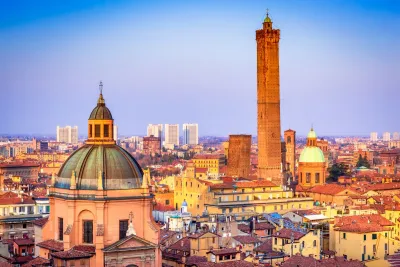
Bologna is the regional capital, Europe's oldest university city (1088), UNESCO heritage for its porticoes (over 62 km, the world's longest).
Cultural tours through Bologna include:
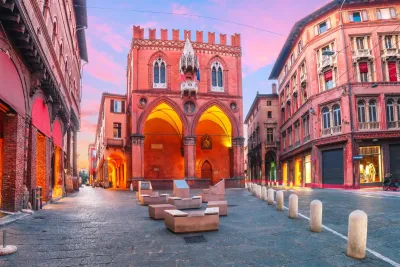
- Piazza Maggiore with the Basilica of San Petronio, Palazzo d'Accursio, Neptune Fountain
- The Two Towers (Asinelli and Garisenda): city symbols, with Asinelli Tower climbable for 360° panoramas
- Archiginnasio: historic university seat with wooden Anatomical Theater
- Basilica of Santo Stefano (Seven Churches): fascinating medieval religious complex
- Mercato di Mezzo: Renaissance covered market today gastronomic center
- Quadrilatero: medieval heart with historic shops, delicatessens, handmade tortellini
Food tours are unmissable: tasting tortellini in brodo, tagliatelle al ragù, mortadella Bologna IGP, green lasagne in historic trattorias, and discovering the art of sfoglia in workshops where "sfogline" still work by hand.
Underground Bologna reveals hidden canals, crypts and the water system that once crossed the city.
Modena: Motors and Balsamic Vinegar
Modena, UNESCO heritage city, is famous for three world excellences: Ferrari, Lamborghini, Maserati (Motor Valley starts here), Traditional Balsamic Vinegar DOP, and the Romanesque Cathedral with the Ghirlandina.
Automotive tours include:
- Ferrari Museum in Maranello with historic single-seaters
- Enzo Ferrari Museum in Modena with futuristic architecture
- Lamborghini Museum in Sant'Agata Bolognese
- Pagani Automobili (by reservation)
- Test drives on tracks or Apennine roads
Food and wine tours take you to acetaie where Traditional Balsamic Vinegar is produced (minimum 12 years aging in barrel batteries), to dairies of Parmigiano Reggiano DOP to witness production and taste different aging periods, to charcuteries of Zampone and Cotechino di Modena IGP.
Parma: Capital of Food Valley
Parma, UNESCO Creative City for Gastronomy, is the heart of Emilian Food Valley. The Cathedral and Baptistery by Benedetto Antelami are Romanesque masterpieces, the wooden Teatro Farnese is spectacular, Correggio's Camera di San Paolo is unique.
Gastronomic experiences are extraordinary:
- Parma Ham DOP: visits to Langhirano ham factories with guided tastings
- Parmigiano Reggiano DOP: tours in dairies with tasting of different aging periods
- Culatello di Zibello DOP: the most precious cured meat, produced only in lower Parma area
- Colli di Parma DOC wines: Malvasia and sparkling Rosso
- Anolini in brodo: Parma-style tortellini
The Parma Ham and Colli di Parma Wines Road is a food and wine route through hills, castles, wineries and ham factories.
Piacenza and Duchy Castles
Piacenza, "First-born of Italy" (first territory to join Kingdom of Italy in 1848), preserves Palazzo Farnese, the Romanesque Cathedral, and Piazza Cavalli with baroque equestrian statues.
Piacenza territory is famous for the Castles of Duchy of Parma and Piacenza: over 30 manor houses open to public, including Gropparello Castle (with Fairy Park), Castell'Arquato (intact medieval village), Vigoleno, Compiano.
Typical products include Grana Padano DOP, Coppa Piacentina DOP, Pancetta Piacentina DOP, Salame Piacentino DOP, and DOC wines like Gutturnio and Ortrugo.
Ferrara: City of the Renaissance
Ferrara is UNESCO heritage for its Renaissance urban fabric: the Estense Castle with moats and towers, Palazzo dei Diamanti with diamond-point ashlar facade, Corso Ercole I d'Este (considered the most beautiful street in Renaissance Europe).
The city of bicycles is discovered cycling on the walls (9 km rideable), in medieval quarters, towards the Po Delta.
Ferrara typical products include cappellacci di zucca, salama da sugo, pampepato, and Bosco Eliceo DOC wines.
Ravenna: Capital of Mosaics
Ravenna preserves 8 UNESCO heritage monuments with Byzantine mosaics among the world's most beautiful: Basilica of San Vitale, Mausoleum of Galla Placidia, Basilica of Sant'Apollinare Nuovo, Neonian Baptistery, Basilica of Sant'Apollinare in Classe.
Dante Alighieri's tomb is here: the Supreme Poet died in exile in Ravenna in 1321.
Ravenna beaches (Marina Romea, Marina di Ravenna, Lido Adriano) offer quieter alternatives to the busier Romagna Riviera.
Romagna Riviera: Fun and Sea
The Romagna Riviera from Comacchio to Cattolica is synonymous with Italian summer holidays: equipped beaches, historic bathing establishments, entertainment, water sports, nightlife.
Rimini is the capital: long sandy beaches, Borgo San Giuliano with Fellini murals, Tiberius Bridge, Augustus Arch, Malatesta Temple.
Riccione is the "Green Pearl of the Adriatic": luxury shopping in Viale Ceccarini, Aquafan (water park), Oltremare (theme park), spas.
Cesenatico with the Canal Port designed by Leonardo da Vinci, the Maritime Museum with vintage boats, morning fish market.
Cervia and Milano Marittima: pine forests reaching the sea, Salt Pans with pink flamingos, elegant beaches.
Cattolica with Le Navi Aquarium (one of Italy's largest).
The Romagna hinterland offers Republic of San Marino, San Leo (impregnable fortress), Santarcangelo di Romagna (medieval village), Verucchio (Malatesta cradle).
Reggio Emilia and Matildic Lands
Reggio Emilia, city of the Tricolore (Italian flag was born here in 1797), preserves historic theaters, the Tricolore Museum, and Canossa Lands where Matilde di Canossa dominated in the Middle Ages.
Canossa Castle (today evocative ruins) was theater of Henry IV's humiliation by Pope Gregory VII in 1077.
The territory produces Parmigiano Reggiano DOP and Lambrusco Reggiano DOC, sparkling wine perfect with cured meats.
Tuscan-Emilian Apennines and National Park
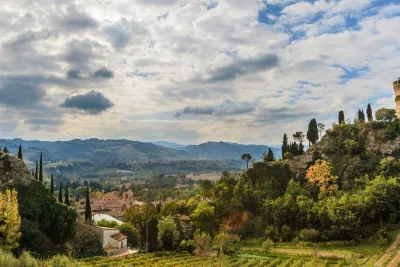
The Tuscan-Emilian Apennine National Park offers unspoiled nature, mountain villages, glacial lakes (Lagdei, Lagoni), trekking on Trail 00 (Great Apennine Excursion), mountain biking, horseback riding.
In winter, ski resorts like Cerreto Laghi, Corno alle Scale, Monte Cimone offer ski slopes and snowshoeing.
Apennine villages like Castelnovo ne' Monti, Sestola, Fanano, Bobbio (with medieval Gobbo Bridge) offer authenticity and typical products like Borgotaro Porcini Mushroom IGP and Chestnut Flour.
Comacchio and Po Delta
Comacchio, "little Venice" with bridges and canals, is the gateway to Po Delta Park, UNESCO heritage for biodiversity.
Boat excursions through lagoons, fishing valleys, reed beds allow spotting pink flamingos, herons, black-winged stilts. By bicycle you travel embankments and naturalistic routes.
Marinated Comacchio eel is Slow Food presidium, and Cervia Salt Pans produce precious sweet salt.
Spas and Wellness
Emilia-Romagna is rich in thermal centers:
- Salsomaggiore and Tabiano: salsobromoiodic waters
- Bagno di Romagna: natural spas in the Apennines
- Riolo Terme and Castrocaro Terme: wellness and history
- Porretta Terme: Apennine healing waters
Food and Wine: The Food Valley Par Excellence
Emilia-Romagna is the homeland of the most famous DOP and IGP products:
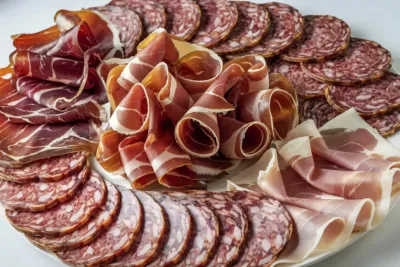
Cured meats: Parma Ham, Culatello di Zibello, Bologna Mortadella, Coppa Piacentina, Salame Piacentino, Salame Felino
Cheeses: Parmigiano Reggiano (King of Cheeses), Grana Padano, Squacquerone di Romagna
Fresh pasta: Tortellini, Tortelloni, Tagliatelle, Lasagne, Cappelletti, Garganelli, Strozzapreti
Condiments: Traditional Balsamic Vinegar of Modena, Traditional Balsamic Vinegar of Reggio Emilia
Wines: Lambrusco (Modena, Reggio, Parma), Sangiovese di Romagna, Albana di Romagna DOCG, Pignoletto
Cooking classes in farmhouses, educational farms and cooking schools teach the art of sfoglia, tortellini preparation, cooking ragù alla bolognese according to the original deposited recipe.
Events and Traditions
Emilia-Romagna lives with events: Motor Valley Fest (Modena), Notte Rosa (all Riviera), Viareggio Carnival near the border, Palio di Ferrara, San Giuseppe Fair in Bologna, Santarcangelo Festival.
When to Visit Emilia-Romagna
The region is ideal year-round: spring and autumn for art cities, food, hills; summer for Romagna Riviera and Po Delta; winter for Apennine skiing, cities without mass tourism, seasonal typical products.
How to Get Around
Bologna Airport is the main hub (Marconi). The Via Emilia (SS9) connects all main cities. Car rental allows exploring villages and food valley. Regional trains connect Emilian cities well. Organized tours are ideal for food and wine experiences and visits to dairies, acetaie, ham factories.
Discover Emilia-Romagna with Expitalia: select the experiences you want to live and build your tailor-made trip in the region of flavors, motors and authentic hospitality. Gastronomic excellence, culture, entertainment and nature await you.

 Italiano
 English