Friuli-Venezia Giulia: Where Italy Meets Mitteleuropa
Friuli-Venezia Giulia is a border region, crossroads of Latin, Germanic and Slavic cultures that have created a unique identity. From the Carnic and Julian Alps to the Adriatic Sea, from medieval villages to Mitteleuropean cities, from internationally awarded vineyards to Roman archaeological sites, this land offers an extraordinary concentration of authentic experiences.
Trieste: The Mitteleuropean Charm
Trieste is a city that doesn't seem Italian: Habsburg architecture, historic cafés, the bora wind blowing impetuously, the sea lapping elegant squares. It was the main port of the Austro-Hungarian Empire and preserves that cosmopolitan soul.
Cultural tours through Trieste include:
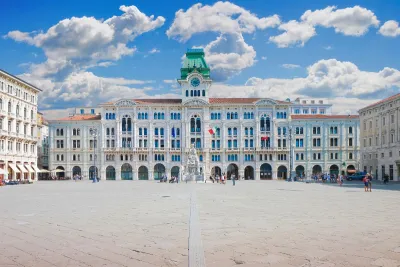
- Piazza Unità d'Italia: one of Europe's most beautiful squares overlooking the sea
- Miramare Castle: Habsburg residence with romantic park on the promontory
- Historic Cafés: Caffè San Marco, Caffè Tommaseo, Antico Caffè Torinese where writers like Joyce, Svevo, Saba sipped Viennese coffee
- Roman Theater: imposing 1st-century AD structure
- Cathedral of San Giusto: Romanesque basilica with Byzantine mosaics on the hill dominating the city
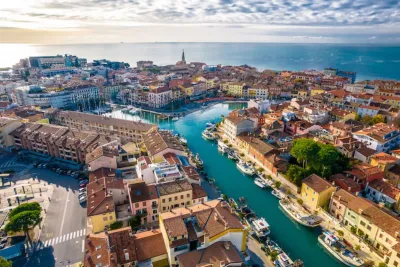
- Canal Grande: 18th-century canal surrounded by neoclassical palaces
- Grotta Gigante: the world's largest tourist cave (visitable), a few km from the city
Literary Trieste is discovered following the traces of Italo Svevo, Umberto Saba (with his antiquarian bookshop), James Joyce.
The Trieste Karst with its plateaus, dolines, caves, and the osmiza (temporary inn where producers sell wine and typical products) is an unmissable authentic experience.
Udine: Heart of Friuli
Udine, Venetian city in soul (you can see it from the Castle on the hill reminiscent of Venice's), preserves masterpieces by Giambattista Tiepolo in the Cathedral and Patriarchal Palace.
Piazza della Libertà is considered the most beautiful Venetian square on the mainland, with the Gothic-Venetian Loggia del Lionello and the Clock Tower.
The Friuli Hills around Udine (Colli Orientali del Friuli) are land of great white and red wines, with visitable wineries and agritourisms where you can taste frico (cheese and potato cake), cjarsons (sweet-savory ravioli typical of Carnia).
Gorizia and Nova Gorica: The Border City
Gorizia was divided in two after World War II: half Italian, half Slovenian (Nova Gorica). The Castle dominates both cities, and Piazza Transalpina has the border line crossing the pavement (today without barriers, Schengen).
Gorizia trattorias serve Mitteleuropean dishes: goulash, jota (soup with beans, sauerkraut and potatoes), strucchi (filled sweets).
Collio is one of Italy's most prestigious wine-growing areas, with Ribolla Gialla, Friulano, Malvasia Istriana among hills fading into Slovenia.
Aquileia: The Second Rome
Aquileia was one of the most important cities of the Roman Empire (defined "second Rome") and today is UNESCO heritage. The Patriarchal Basilica preserves the world's largest western early Christian mosaic floor (760 sq m of 4th-century mosaics).
The National Archaeological Museum, the Roman Forum, the Roman River Port testify to the greatness of this city that counted 200,000 inhabitants.
Archaeological tours are completed with Cividale del Friuli, Lombard UNESCO heritage city, where the 8th-century Lombard Tempietto is a unique masterpiece, and the Devil's Bridge crosses the Natisone river in spectacular settings.
Grado and Lignano: The Golden Islands
Grado, "Island of the Sun," is an ancient seaside resort with golden beaches, marine spas, and a fascinating Venetian old town with calli (alleys) and campielli (small squares).
The Basilica of Sant'Eufemia (5th-6th century) preserves extraordinary early Christian mosaics. The Grado lagoon is explored by boat or kayak, among casoni (fishermen's houses), barene, and rich birdlife.
Lignano Sabbiadoro is the most equipped seaside resort: 8 km of sandy beaches, Aquasplash (water park), Parco Junior (for children), pine forests, nightclubs. Lignano Pineta offers a quieter alternative immersed in greenery.
Friulian Dolomites and Carnia
The Friulian Dolomites are UNESCO heritage: less known mountains but equally spectacular as the Trentino and Veneto sisters. The groups of Duranno, Cridola, Monfalconi, Pramaggiore offer vertical walls, spires, towers, and colors that at sunset ignite in pink.
The Friulian Dolomites Natural Park includes:
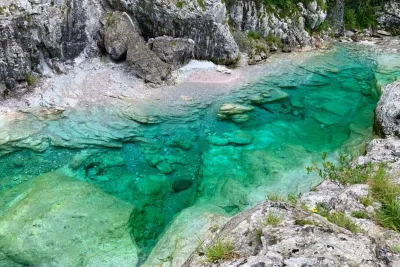
- Cellina Nature Trail: path in the gorge carved by the torrent
- Val Montanaia with its waterfall falling from vertical walls
- Pordenone Refuge base for mountaineering excursions
- Canyoning in Dolomitic gorges and torrents
Carnia is the northern mountainous region, with Sauris (village where German is spoken, produces smoked ham and craft beer), Arta Terme (sulphurous thermal waters), Forni di Sopra and Ravascletto-Zoncolan (ski resorts).
Zoncolan is legendary in cycling: one of the Giro d'Italia's toughest climbs. Cycle tourism enthusiasts come from all over the world to challenge its slopes.
Tarvisio and Julian Alps
Tarvisio is Italy's extreme northeast, at the border with Austria and Slovenia. Ski resort with Monte Lussari slopes (where stands the Sanctuary of Lussari, pilgrimage destination also reachable by cable car), in summer becomes base for hiking, mountain biking, climbing.
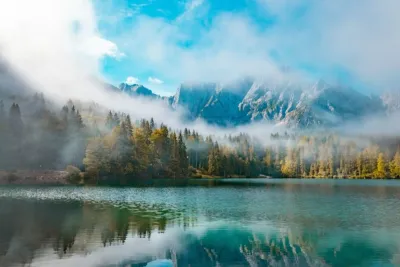
Fusine Lakes (Upper and Lower) are turquoise water mirrors surrounded by forests and with Mangart peaks reflecting: one of Friuli's most photographed landscapes.
The CAI Trail 508 circumnavigating the Canin group offers spectacular alpine panoramas.
Palmanova: The Star City
Palmanova is a Venetian fortress city in perfectly preserved nine-pointed star shape, UNESCO heritage. Built in 1593, it's a unique example of Renaissance military architecture.
Guided tours take you to bastions, underground tunnels, powder magazines, and the view from above (drone shots) reveals the geometric perfection of the star plan.
San Daniele del Friuli: Capital of Ham
San Daniele del Friuli is the medieval village where the famous San Daniele Ham DOP is produced, considered among the world's best.
Tours in ham factories show the natural aging process (minimum 13 months), the cellars where legs rest, and of course guided tastings paired with Friulian wines.
The Ham Festival (June) attracts enthusiasts from all over Europe.
Food and Wine: Border Traditions
Friulian cuisine combines Italian, Austrian, Hungarian, Slavic influences:
Cured meats and cheeses:
- San Daniele Ham DOP: sweet, delicate, aged 13-24 months
- Sauris Ham IGP: smoked with beech wood
- Pitina: smoked meat balls, Slow Food presidium
- Montasio DOP: versatile cheese (fresh, medium, aged, extra-aged)
First courses:
- Cjarsons: sweet-savory ravioli filled with herbs, raisins, chocolate, ricotta
- Frico: crispy Montasio and potato cake
- Plum gnocchi: potato gnocchi filled with plums, breadcrumbs and cinnamon
Second courses:
- Muset e brovade: cotechino with turnips macerated in marc
- Goulash: Austro-Hungarian heritage
- Trieste-style baccalà: with potatoes and tomato
Desserts:
- Gubana: sweet filled with walnuts, raisins, grappa
- Strucolo de pomi: apple strudel
- Presnitz: Trieste sweet filled with dried fruit
Wines: Friuli-Venezia Giulia is famous for excellent white wines:
- Friulano (ex Tocai): the region's symbolic white
- Ribolla Gialla: fresh, mineral, also sparkling version
- Malvasia Istriana: aromatic
- Verduzzo: sweet, meditation wine
- Picolit DOCG: very rare and precious dessert wine
- Refosco dal Peduncolo Rosso: full-bodied red
- Schioppettino: rediscovered native grape
Wine areas: Collio, Colli Orientali del Friuli, Friuli Isonzo, Carso produce internationally awarded wines.
Wineries offer guided tastings, vineyard tours, and pairings with local products.
Marano Lagunare and Maritime Tradition
Marano Lagunare is a fishing village with millennial maritime tradition. The casoni are fishermen's huts in the lagoon, today some transformed into restaurants where you can taste boreto (lagoon fish soup), moleche (fried soft-shell crabs), cuttlefish in black.
Boat excursions in the lagoon allow discovering this environment suspended between land and water.
Valcanale and Historical Trails
The Valcanale between Tarvisio and the Austrian border preserves Great War trails: trenches, fortifications, walkways used during World War I.
The Val Saisera Historical Trail leads to remains of military barracks, positions, with views of the Julian Alps.
When to Visit Friuli-Venezia Giulia
The region is fascinating year-round: spring for flowering villages and new wines; summer for sea, mountains, osmize; autumn for grape harvest, Carnic foliage, chestnuts; winter for skiing in Tarvisio and Ravascletto, Mitteleuropean Christmas markets.
How to Get Around
Trieste Airport (Ronchi dei Legionari) is the main hub. Trains connect Trieste, Udine, Gorizia well. Car rental is recommended for exploring villages, wineries, mountains. Organized food and wine tours are ideal for discovering osmize, ham factories, wineries without worrying about driving.
Discover Friuli-Venezia Giulia with Expitalia: select the experiences you want to live and build your tailor-made trip in the border region between Italy and Europe. Mitteleuropean culture, excellent wines, alpine nature and sea await you.

 Italiano
 English