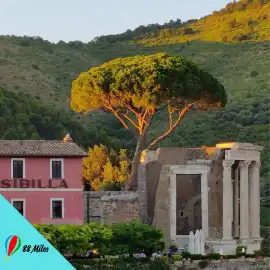
Lazio: Where History Becomes Legend
Lazio is the region that preserves Rome, capital of Italy and heart of Western history. But beyond the Urbe, this land offers Etruscan and Roman archaeological treasures, medieval hilltop villages, volcanic lakes, golden coastlines, Renaissance villas among the world's most beautiful, and a gastronomic tradition rooted in millennia of civilization.
Rome: Caput Mundi
Rome is unique in the world: 3,000 years of history layered in every corner, from the Roman Forum to smartphones, from early Christian catacombs to contemporary art galleries. The Eternal City deserves weeks, but even a few days offer unforgettable emotions.
Ancient and Imperial Rome
Archaeological tours include:
- Colosseum: the Flavian Amphitheater, symbol of Rome, hosting 50,000 spectators for gladiator games
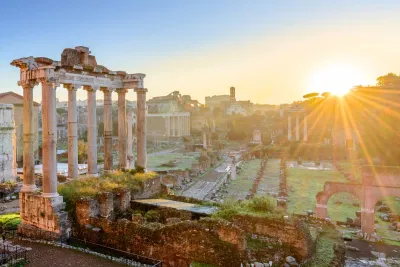
- Roman Forum and Palatine: the political, religious and economic heart of ancient Rome, cradle of Western civilization
- Pantheon: temple dedicated to all gods, with the world's largest unreinforced masonry dome
- Baths of Caracalla: imposing 3rd-century thermal complex accommodating 1,600 people
- Circus Maximus: ancient stadium for chariot races
- Domus Aurea: Nero's sumptuous residence with underground frescoes
- Trajan's Markets: ancient Roman "shopping center"
- Via Appia Antica: the Regina Viarum with monumental tombs, catacombs, villas
Christian and Vatican Rome
Vatican City is the world's smallest state but preserves priceless treasures:
- St. Peter's Basilica: Christianity's largest church, with Michelangelo's dome
- Vatican Museums: kilometers of galleries with masterpieces from every era
- Sistine Chapel: Michelangelo's frescoes (Last Judgment, vault with Creation of Adam) that take your breath away
- Raphael Rooms: extraordinary Renaissance frescoes
The four Papal Basilicas: St. Peter's, St. John Lateran (Rome's cathedral), Santa Maria Maggiore (early Christian mosaics), St. Paul Outside the Walls.
The catacombs of San Callisto, San Sebastiano, Domitilla testify to underground early Christian Rome.
Baroque and Renaissance Rome
Old town tours cross:
- Trevi Fountain: the world's most famous Baroque fountain, where throwing a coin ensures return to Rome
- Spanish Steps with Trinità dei Monti staircase
- Piazza Navona: with Bernini's Fountain of the Four Rivers
- Campo de' Fiori: morning market, lively square
- Trastevere: the most authentic neighborhood, with medieval alleys, trattorias, Santa Maria in Trastevere
- Jewish Ghetto: Europe's oldest, with Synagogue and Jewish-Roman cuisine
- Villa Borghese: immense park with Galleria Borghese (masterpieces by Bernini, Caravaggio, Raphael)
Gastronomic Rome
Food tours discover Roman cuisine:
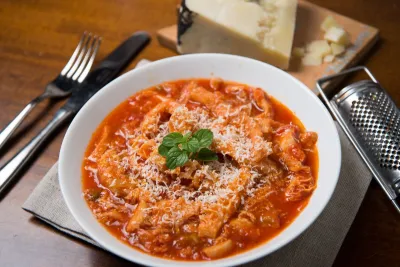
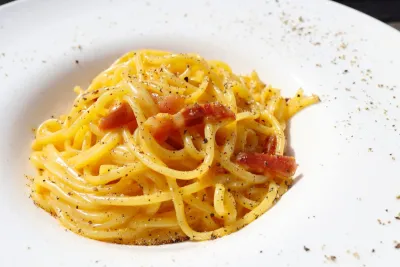
- Carbonara, amatriciana, cacio e pepe, gricia: the four evangelists of Roman pasta
- Carciofi alla giudia and carciofi alla romana
- Supplì (rice croquettes stuffed)
- Trippa alla romana, coda alla vaccinara, pajata
- Maritozzo: Roman brioche filled with cream
- Porchetta: whole aromatic pork oven-cooked
Historic markets: Testaccio (most authentic), Campo de' Fiori, Trionfale, Esquilino.
Historic wine bars serve Castelli Romani wines, Cesanese del Piglio, Aleatico di Gradoli.
Tivoli: UNESCO Heritage Villas
Tivoli, 30 km from Rome, preserves three UNESCO heritage villas:
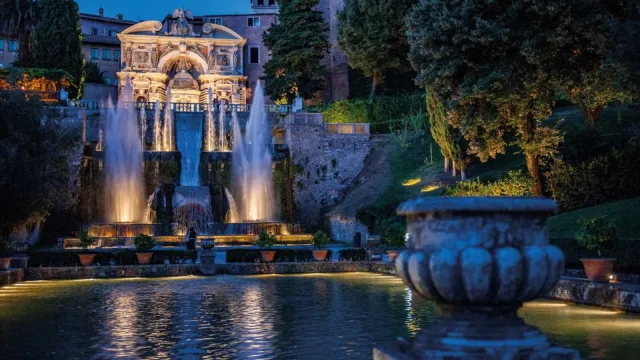
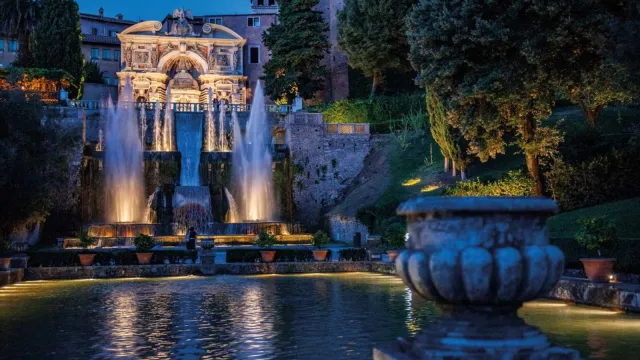
Villa d'Este: Renaissance masterpiece with gardens, fountains (Organ Fountain, Neptune Fountain, Hundred Fountains Avenue), spectacular water games.
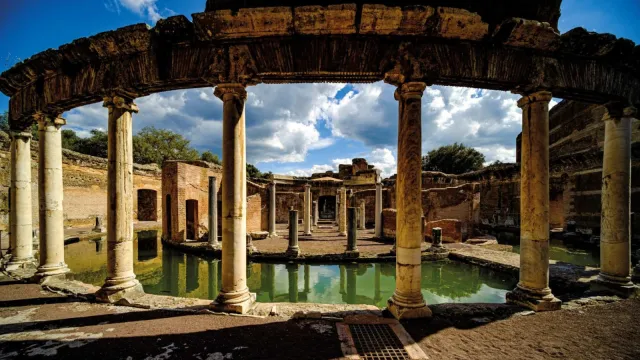
Villa Adriana: Emperor Hadrian's summer residence (2nd century AD), 120-hectare city-villa with baths, theaters, libraries, nymphaeums, the Canopus (basin recreating an Egyptian place).
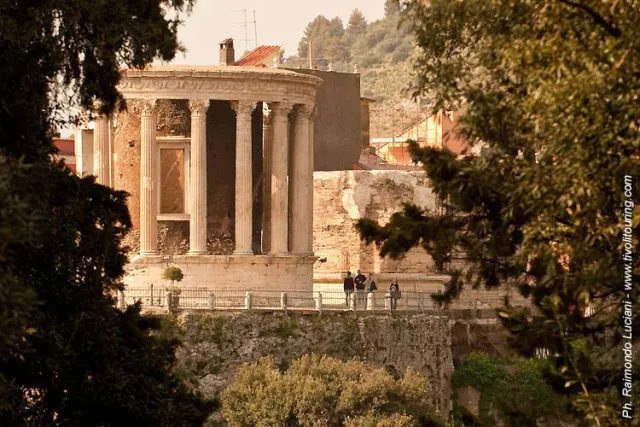
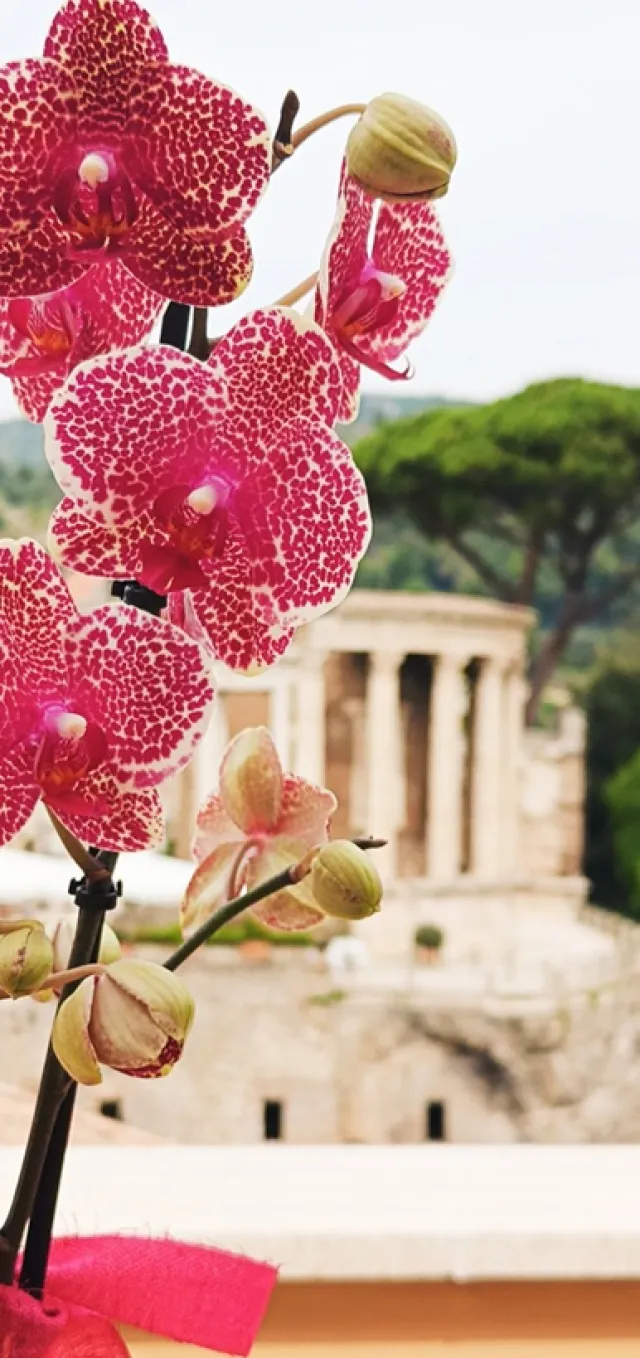
Villa Gregoriana: romantic naturalistic park with waterfalls, caves, Temple of Vesta.
Castelli Romani: Villas, Lakes and Frascati
The Castelli Romani are a system of villages on the Alban Hills, on the slopes of an ancient volcano, traditional vacation destination for Romans.
Frascati: city of the DOC wine of the same name, with Tuscan villas (Villa Aldobrandini) and fraschette (traditional taverns where you drink wine and eat porchetta).
Castel Gandolfo: Popes' summer residence, overlooking Lake Albano (volcanic lake). The Papal Villas are visitable with Barberini Gardens.
Ariccia: famous for porchetta IGP served in fraschette with homemade bread and Castelli wine.
Nemi: village on Lake Nemi, famous for Nemi wild strawberries IGP and the Museum of Roman Ships.
Genzano: with the Corpus Christi Infiorata, floral carpet along Via Italo Belardi.
Food and wine tours include wineries, fraschette, porchetta producers, with tastings of Frascati Superiore DOCG, Cannellino, Romanella.
Viterbo and Tuscia: Land of Etruscans
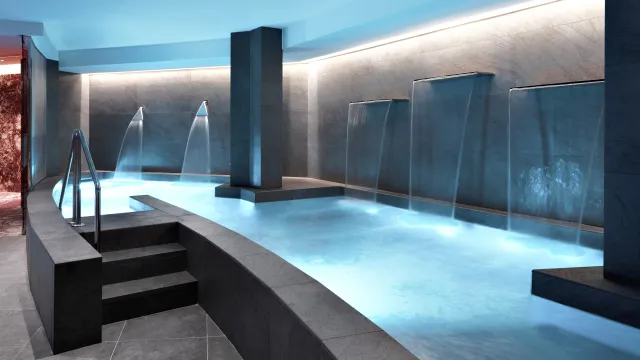
Viterbo, "City of Popes," preserves the perfectly intact San Pellegrino medieval quarter, the Papal Palace (where the longest conclave in history took place), the Popes' Thermal Baths with sulphurous waters.
Tuscia preserves extraordinary Etruscan necropolises:
- Tarquinia: necropolis with painted tombs (UNESCO heritage), Archaeological Museum with extraordinary Etruscan finds
- Cerveteri: Banditaccia Necropolis (UNESCO heritage), monumental tumulus tombs
- Vulci: archaeological area with medieval castle, Devil's Bridge, necropolis
Tuscia villages:
- Civita di Bagnoregio: "the dying city," village perched on tuff spur, reachable only on foot via footbridge
- Bomarzo with the Park of Monsters: mannerist garden with grotesque and dreamlike sculptures
- Calcata: hippie-artistic village on tuff cliff
- Caprarola with Palazzo Farnese: pentagonal Renaissance masterpiece
- Bagnaia with Villa Lante: Italian gardens among the Renaissance's most beautiful
Lake Bolsena, Europe's largest volcanic lake, offers medieval villages (Bolsena, Marta, Capodimonte), beaches, boat excursions to Bisentina and Martana islands.
Rieti and Sabina: Land of St. Francis
Rieti, considered the Umbilicus Italiae (Italy's geographical center), is surrounded by Franciscan places of the Way of St. Francis: Sanctuary of Greccio (where Francis invented the nativity scene), Convent of Fonte Colombo (where he wrote the Rule), Hermitage of Poggio Bustone.
Sabina produces extra virgin olive oil among Italy's best: Sabina DOP. The Sabine hills offer villages like Farfa (medieval Benedictine abbey), Casperia, Monteleone Sabino.
Latina and Pontine Marshes: From Marshes to Reclamation
Latina province was born from Fascist reclamation of Pontine Marshes in the 1930s.
Latina is a rationalist foundation city (1932). Foundation cities like Sabaudia, Pontinia, Aprilia represent Italian rationalist architecture.
Circeo National Park offers:
- Circeo Promontory: mountain overlooking the sea, with caves, trails, legend of Ulysses and Circe
- Plain forest: coastal wood with wildlife
- Coastal dunes and wetlands with migratory birdlife
Sabaudia has wide beaches and natural dunes, Lake Paola (coastal lagoon).
Sperlonga and Ulysses Riviera
Sperlonga is one of Italy's most beautiful seaside villages: white houses perched on promontory, medieval alleys, golden beaches.
Tiberius' Grotto preserves remains of an imperial villa with Hellenistic sculptures (Group of Scylla).
The Ulysses Riviera includes Gaeta (fortified city with Split Mountain, Sanctuary of the Holy Trinity), Terracina (with Roman temple of Jupiter Anxur on top of Monte Sant'Angelo), San Felice Circeo.
Frosinone and Ciociaria: Abbeys and Villages
Ciociaria (name from "ciocie," traditional footwear) preserves extraordinary abbeys:
- Abbey of Montecassino: founded by St. Benedict in 529, destroyed and rebuilt several times, mother of Benedictine monasticism
- Abbey of Casamari: perfectly preserved Cistercian Gothic masterpiece
- Trisulti Charterhouse: Carthusian monastery with ancient pharmacy
Ciociari villages include Anagni (city of Popes with frescoed Cathedral), Alatri (cyclopean polygonal walls), Arpino (Cicero's homeland).
Ausoni Mountains Natural Park and Aurunci Mountains Park offer hiking in Lazio Apennines.
Food and Wine: Flavors of Romanity
First courses:
- Bucatini all'amatriciana: from Amatrice, with guanciale, tomato, pecorino
- Spaghetti alla carbonara: guanciale, eggs, pecorino, black pepper
- Tonnarelli cacio e pepe: only pecorino romano and black pepper
- Gnocchi alla romana: semolina discs au gratin
Second courses and sides:
- Abbacchio alla scottadito: grilled lamb chops
- Saltimbocca alla romana: veal slices with prosciutto and sage
- Artichokes: alla giudia (fried) or alla romana (stewed with mint)
Cured meats and cheeses:
- Ariccia Porchetta IGP: whole aromatic pork
- Guanciale: essential for amatriciana and carbonara
- Pecorino Romano DOP: aged sheep's milk cheese
Desserts:
- Maritozzo with cream: soft brioche stuffed
- Ricotta and visciole tart: with local sour cherries
- Pangiallo: Christmas sweet with dried fruit
Wines:
- Frascati DOC and Frascati Superiore DOCG: dry white from Castelli
- Cesanese del Piglio DOCG: full-bodied red from Ciociaria
- Aleatico di Gradoli: sweet passito wine
- Est! Est!! Est!!! di Montefiascone: white from Viterbo area
When to Visit Lazio
Lazio is visitable year-round: spring (March-May) and autumn (September-October) have ideal climate for Rome and archaeological sites; summer for sea and lakes (attention: Rome very hot in August); winter for less crowded Rome, Christmas markets.
How to Get Around
Rome Airports: Fiumicino (main, intercontinental) and Ciampino (low-cost, closer to center).
Rome Metro: 3 lines (A, B, C) connect main tourist sites.
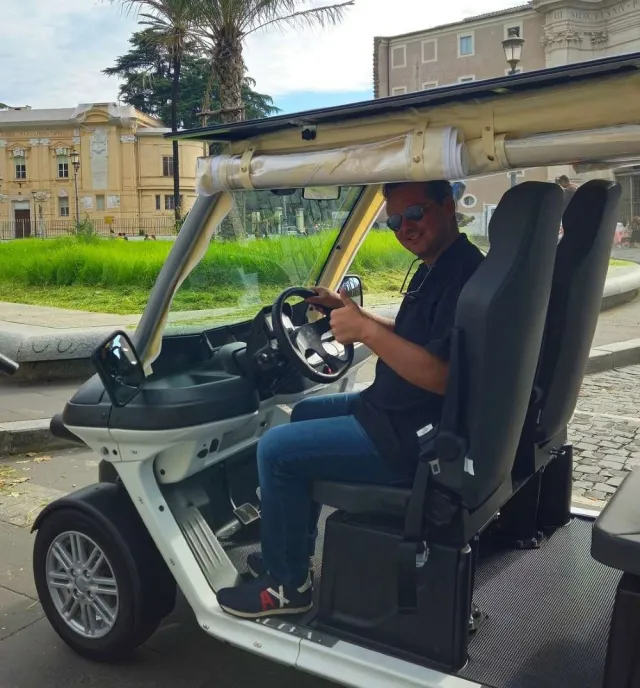
Car rental recommended for exploring Castelli Romani, Tuscia, coast. Regional trains connect Rome to Viterbo, Tivoli, Frosinone. Organized tours are ideal for archaeological sites, villas, villages, wineries with expert guide.
Discover Lazio with Expitalia: select the experiences you want to live and build your tailor-made trip in the Eternal City region. Millennial history, immortal art, authentic flavors and fairytale villages await you.

 Italiano
 English