Molise: Italy's Best Kept Secret
Molise is the second-smallest Italian region (after Valle d'Aosta), the last to obtain regional autonomy (1963, separated from Abruzzo), and perhaps the least known. Precisely for this reason it represents one of last frontiers of authenticity in Italy: here mass tourism has not arrived, nature is still wild, villages preserve intact traditions, and hospitality is genuine. A hidden treasure waiting to be discovered.
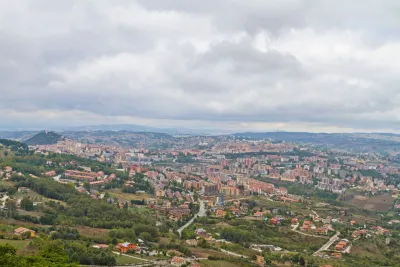
Campobasso: The Medieval Capital
Campobasso, regional capital at 700 meters altitude, is dominated by Monforte Castle (15th century), symbol of city, reachable on foot through old town alleys.
Old town develops around castle with stone houses, narrow streets, San Bartolomeo Cathedral, Chiesa della Madonna del Monte, quiet and authentic atmospheres.
Corpus Domini Mysteries: historical-religious procession (June, Corpus Domini Sunday) with living tableaux carried on ingenious structures by children "suspended" in mid-air (UNESCO intangible heritage candidate).
Satriano knives: Campobasso is Italian knife-making capital, with Coltellerie Museum and historic artisan shops.
Termoli: The Only Seaside Resort
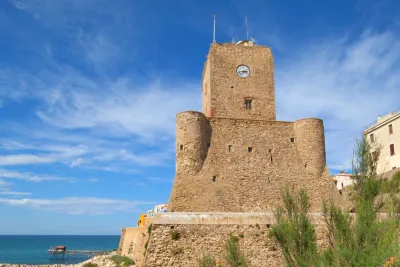
Termoli is Molise's only seaside resort: fishing village with medieval old town on promontory and modern part with equipped beaches.
Borgo Antico: fortified village with Swabian Castle (12th century, Frederick II), Romanesque Cathedral (12th century) dedicated to Saint Bassus and Mary of Purification, walls overlooking sea, colorful houses, trabucchi (ancient fishing machines).
Beaches: wide sandy beaches (North Beach, Sant'Antonio Beach), crystal waters, shallow seabed ideal for families.
Fishing: active port with morning fish market, typical Termoli fish brodetto.
Tremiti Islands: reachable by ferry from Termoli (50 minutes), Puglia archipelago in Gargano National Park, diving paradise.
Sepino-Altilia: The Pompeii of Molise
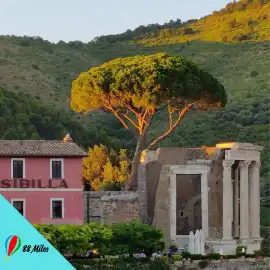
Sepino hosts extraordinary Altilia Archaeological Site: complete Roman city (Saepinum) in plain, with walls, gates (Porta Bojano, Porta Terravecchia), forum, theater, baths, basilica, decumanus, shops.
Unique feature: site is freely accessible and sheep freely graze among ruins (transhumance from Apennines uses ancient tratturi passing through Roman city). Surreal and poetic vision: Roman columns with sheep, few tourists, nature taking back spaces.
Museum documents Samnite and Roman history of site.
Isernia and Palaeolithic Museum
Isernia, Molise's second city, is Europe's oldest documented human settlement site: Isernia La Pineta preserves traces of Palaeolithic human presence dating back 700,000 years. National Palaeolithic Museum of Isernia preserves finds from excavation (tools, animal bones, reconstructions).
Old town preserves Fontana Fraterna (14th century, six-arch fountain), Cathedral, remains of Italic walls.
Isernia territory is famous for white truffle (San Pietro Avellana and Capracotta are collection areas), Signora onion IGP, Capracotta mortadella, traditional coppered copper working.
Transhumance Tratturi: UNESCO Heritage
Tratturi are ancient grass paths used for millennia for transhumance: seasonal migration of flocks from Abruzzo Apennines to Puglia Tavoliere plains and vice versa. Molise is crossed by Tratturo Magno (L'Aquila-Foggia, 244 km long, up to 111 meters wide), fundamental artery of shepherd civilization.
Transhumance was recognized UNESCO Intangible Heritage (2019). Today many tratturi are protected and walkable paths, ideal for trekking, horseback riding, cycling.
Agnone: The City of Bells
Agnone is mountain village (800 m) famous for Pontifical Marinelli Foundry, active since 1339: oldest family business in the world, produces liturgical bells for churches worldwide, including Vatican.
Bell Museum documents this millennial tradition with historic bells, lost-wax casting demonstration (by reservation).
Agnone is also one of Italy's copper capitals: coppersmiths artisanally work copper objects.
Venafro and Roman Heritage
Venafro preserves important Roman testimonies: Roman Amphitheater (partially buried, free access), Verlasce Roman Theater, Roman walls.
Pandone Castle hosts National Museum with Roman archaeology, medieval frescoes.
Venafro territory produces extra virgin olive oil DOP Molise, one of Italy's oldest oil productions (ancient Romans appreciated Venafro oil).
Pietrabbondante: Samnite Sanctuary
Pietrabbondante hosts most important Samnite sanctuary (II-I century BC): theater-temple complex with theater carved in rock slope (2,500 seats), Doric temples, extraordinary preservation state.
Sanctuary testifies to power and culture of Samnites, Italic population that long resisted Rome.
Arbëreshë Villages and Albanian Traditions
Molise hosts two Arbëreshë (Italian-Albanian) villages that arrived in 15th century fleeing Turkish invasions:
Portocannone: keeps alive Arbëreshë language (Albanian dialect), traditional costumes, Byzantine rite.
Ururi: famous for Carrese (race of ox-drawn carts, Monday in Albis), spectacular and dangerous race with decorated carts pulled by oxen at gallop.
Cultural tours allow discovering this unique linguistic-cultural minority in Italy.
Matese: Mountains and Lakes
Matese is limestone massif divided between Molise and Campania, with peaks over 2,000 meters.
Campitello Matese: ski resort (1,400-1,800 m) with slopes, snowboarding, cross-country skiing. In summer: hiking, mountain biking, climbing.
Lake Guardialfiera: artificial lake on Biferno, with coves, fishing, canoeing, naturalistic walks.
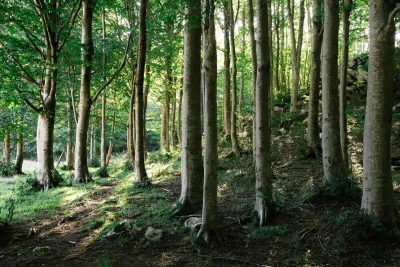
Oasis WWF Guardiaregia-Campochiaro: protected area with beech forests, gorges, waterfalls, wildlife (wolves, deer, golden eagles).
Larino: Roman City and Medieval Village
Larino was important Roman city (Larinum, Cicero's defended city): preserves Roman amphitheater (well-conserved, 1st century AD), Roman mosaics in archaeological area.
Medieval old town with Cathedral (14th century, Gothic-Apulian facade, rose window), stone palaces, alleys.
San Pardo Feast (last three days of May): procession with over 100 decorated ox carts parading with floral compositions and agricultural products.
Traditional Villages and Castles
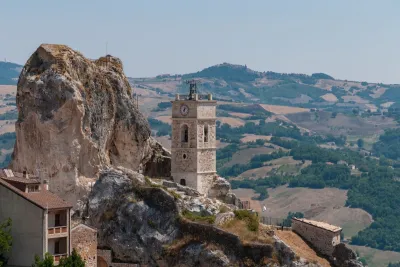
Bagnoli del Trigno: perched village (650 m) with medieval castle, stone houses, panoramas over valley.
Cerro al Volturno: with imposing Benedictine Abbey of San Vincenzo al Volturno (VIII century), destroyed and rebuilt several times, extraordinary frescoed crypt.
Roccamandolfi: mountain village (800 m) with Norman castle ruins, departure for Matese excursions.
Oratino: village famous for artisan pasta handmade, "Italy's pasta village."
Transhumance and Shepherd Culture
Molise was fundamental crossroads of transhumance: Abruzzese shepherds descended tratturi to winter in Puglia Tavoliere, passing months in Molise.
This pastoral culture left profound traces: Apulian-style masserie (fortified farmhouses), mandra (sheep enclosures), traditional transhumance songs, sheep cheeses, artisan wool.
Museum of Shepherd Arts and Crafts (Vastogirardi) documents this civilization.
Food and Wine: Poor but Genuine Cuisine
Molise cuisine is mountain-pastoral, with strong and genuine flavors:
First courses:
- Cavatelli (fresh Molise pasta) with sauce or cime di rapa
- Pallotte cace e ove: cheese and egg balls with sauce
- Tacconelle: large tagliatelle with beans or chickpeas
Second courses:
- Grilled lamb (transhumance tradition)
- Ventricina: spicy Molise salami
- Pezzata: mutton stew with peppers and tomatoes
Cheeses:
- Caciocavallo molisano: raw cow's milk cheese
- Stracciata: spreadable fresh cheese
- Pecorino di Capracotta
Sweets:
- Ostie ripiene: filled hosts with walnuts, almonds, honey
- Pepatelli: pepper, honey, almond cookies
- Caragnoli: fried and sugared sweets
Truffles: White truffle from San Pietro Avellana and Capracotta is among Italy's most precious (Molise is second Italian region for white truffle production).
Wines: Tintilia del Molise DOC (native red grape recovered from oblivion), Biferno DOC, Pentro DOC.
Extra virgin olive oil Molise DOP: produced in entire region with centuries-old Gentile di Larino olive grove.
Traditions and Craftsmanship
Coppered copper (Agnone, Isernia): ancient technique of covering copper with tin.
Bells (Agnone): lost-wax casting art.
Tombolo lace (Isernia).
Satriano knives (Campobasso): artisan knife-making.
Handmade pasta (Oratino, Agnone).
When to Visit Molise
Molise is fascinating year-round: spring for nature flowering, villages; summer for Termoli sea, mountains; autumn for white truffle, foliage, mushrooms; winter for skiing Campitello Matese, intimate atmospheres in villages.
How to Get Around
Molise has no airports: nearest are Pescara (80 km), Naples (100 km), Foggia (80 km).
Trains: Termoli is main Adriatic railway line station (Milano-Lecce). Internal lines connect Isernia, Campobasso.
Car rental is indispensable to explore Molise: villages, tratturi, mountains, archaeological sites are reachable almost only by car. Molise is ideal for road trips discovering hidden territories.
Organized tours with local guide allow discovering transhumance culture, shepherd traditions, lesser-known villages.
Discover Molise with Expitalia: select the experiences you want to live and build your tailor-made trip in Italy's most authentic and least touristy region. Sepino, tratturi, genuine flavors and unspoiled nature await you.

 Italiano
 English