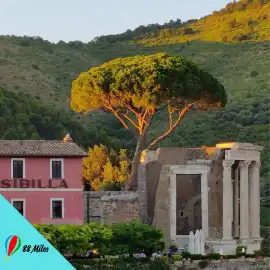
Puglia: Where Sea Meets White Stone
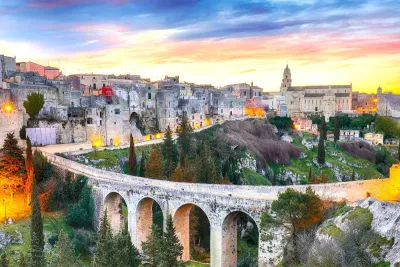
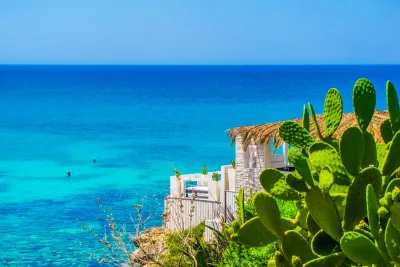
Puglia is one of Italy's most loved regions: 800 km of coastline with beaches and crystal-clear sea among the most beautiful in Mediterranean, unique architectural heritage (trulli, masserie, Romanesque cathedrals, Baroque cities), thousand-year olive groves, peasant culinary tradition of extraordinary richness. From Gargano "Italy's spur" to Salento "Italy's heel," Puglia conquers with its authenticity, hospitality and natural beauty.
Bari: Gateway to the East
Bari, Puglia capital, is dynamic city between tradition and modernity, Italy's gateway to East (ferries to Greece, Albania, Montenegro).
Bari Vecchia (Old Bari)
Old town is labyrinth of alleys where authentic Bari life pulsates:
- Basilica of San Nicola: Romanesque Apulian masterpiece (11th-12th century), pilgrimage destination, preserves relics of Saint Nicholas of Myra (Santa Claus)
- Swabian Castle: Norman-Swabian fortress (12th century), Frederick II's residence
- Cathedral of San Sabino: Romanesque cathedral (12th century)
- Orecchiette ladies: in Arco Basso and Via Arco Alto streets, old ladies sit outside houses making fresh orecchiette by hand (Bari icon)
- Focaccia barese: bakeries produce the best focaccia (tomatoes, olives, oil)
- Sgagliozze and panzerotti: typical fried street food
Murat and Modern Bari
- Teatro Petruzzelli: Italy's fourth opera house by size
- Via Sparano: elegant shopping street
- Lungomare: 30 km seafront promenade, among Italy's longest
Alberobello: The Trulli City
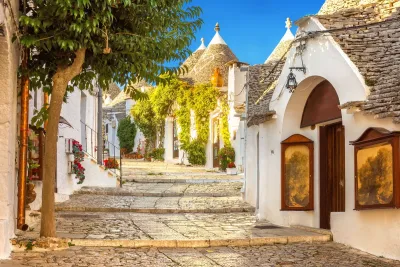
Alberobello is UNESCO heritage, unique city in the world for concentration of trulli: traditional dry-stone conical dwellings with limestone slabs.
Rione Aia Piccola: most authentic district, inhabited trulli, few tourists.
Rione Monti: most touristic, over 1,000 trulli, shops, restaurants, accommodations in trulli.
Trullo Sovrano: only two-story trullo, museum with period furnishings.
Trullo Church of Sant'Antonio: church built as trullo.
Origin is disputed: probably farmers built them with removable roofs to avoid taxes (quickly demolishing them during inspections). Today they're Puglia symbol.
Valle d'Itria: Trulli and Masserie
Valle d'Itria is plateau between Bari, Brindisi, Taranto provinces, dotted with trulli, dry-stone walls, ancient olive groves, fortified masserie, whitewashed villages.
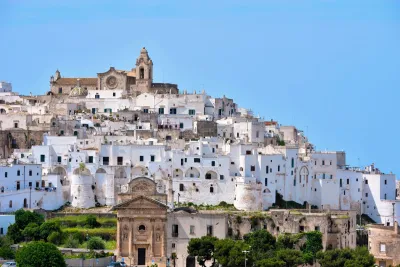
Ostuni: "White City," with chalk-white old town overlooking sea, labyrinth of alleys, arches, steps, Cathedral with rose window, panoramic views over olive groves to Adriatic.
Locorotondo: one of Italy's most beautiful villages, circular layout, balconies with flowers, whitewashed houses, narrow streets, Valle d'Itria panoramic views.
Cisternino: another white jewel, with bracerie (butcher-restaurants) where you choose raw meat displayed and they grill it.
Martina Franca: Baroque city with Ducal Palace, elegant palaces, International Valle d'Itria Festival (July-August, opera, music, theater).
Food and wine tours include masserie visits (fortified farms, today many transformed into farmhouses, restaurants, luxury accommodations), dairies for burrata and stracciatella tasting, oil mills, wineries (Valle d'Itria DOC).
Polignano a Mare: Cliffs and Sea Caves
Polignano a Mare is one of Puglia's most spectacular villages: old town perched on limestone cliff 20 meters above sea, houses overlooking void, Lama Monachile beach set between rocks.
Grotta Palazzese: restaurant carved in sea cave, among world's most unique.
Sea caves: explorable by boat excursions or kayak (Cave of Caves, Cave of Nuns, Cave of Ardito).
Red Bull Cliff Diving: annual event (July), international divers jump from 27 meters.
Domenico Modugno: native of Polignano, statue and museum dedicated to him.
Lecce: Florence of the South
Lecce is Baroque Apulian masterpiece, called "Florence of the South" for concentration of Baroque architecture worked in soft local Lecce stone (golden limestone easily carved).
Monumental Lecce:
- Basilica of Santa Croce: Baroque triumph with zoomorphic and anthropomorphic decorations, facade as lace
- Duomo: Cathedral with bell tower, on Piazza Duomo enclosed by Baroque palaces
- Roman Amphitheater: 1st-2nd century AD, partially buried in Piazza Sant'Oronzo
- Santa Chiara church: with frescoed papier-mâché vault
- Faggiano Museum: patrician house with underground archaeological excavations
Lecce papier-mâché: centuries-old tradition of working papier-mâché for sacred statues, nativity figures, decorations. Visitable workshops.
Pasticciotto leccese: shortcrust pastry filled with custard, perfect for breakfast.
Salento: Italy's Caribbean
Salento is Puglia's extreme point, peninsula between Adriatic (east) and Ionian (west) seas, with dream beaches, whitewashed villages, popular tradition (pizzica, taranta).
Ionian Coast (West)
- Gallipoli: island old town connected to mainland, with Angevin castle, cathedral, maze of alleys, lively beaches
- Porto Cesareo: Marine Protected Area, turquoise waters, Punta Prosciutto beach
- Torre Lapillo: Caribbean-like beach, fine sand, transparent water
- Santa Maria al Bagno: village with murals telling Albanian refugees (1991-97)
Adriatic Coast (East)
- Otranto: Italy's easternmost city, with Romanesque cathedral (12th century) preserving extraordinary Tree of Life mosaic floor (XII century), Martyrs Chapel (800 martyrs killed by Turks 1480), Aragonese Castle, alleys, white stone
- Santa Cesarea Terme: Moorish-style architecture, thermal caves
- Castro: village on promontory, Zinzulusa Cave (stalactites and stalagmites)
- Torre dell'Orso: beach with fine white sand, turquoise water, Due Sorelle stacks
Southernmost Point
- Santa Maria di Leuca: "land's end," where Adriatic and Ionian meet, Basilica-Sanctuary, historic villas, lighthouse, boat excursions to caves (Dragon, Lovers, Devil)
- Grotta Romanelli: Palaeolithic cave
Beaches and Coves
Pescoluse ("Maldives of Salento"): white sand, shallow turquoise water, Punta della Suina.
Baia dei Turchi (Otranto): cove with fine sand, pine forest, crystal clear water.
Alimini Lakes (Otranto): coastal lakes with beach.
Gargano: Italy's Spur
Gargano is mountainous promontory jutting into Adriatic, Gargano National Park, with sea, cliffs, forests, pilgrimage sanctuaries.
Vieste: main resort, with old town on promontory, Pizzomunno (20-meter-high white limestone monolith on beach), sea caves, trabucchi (ancient fishing machines).
Peschici: white village on cliff, alleys, beaches, trabucchi.
Rodi Garganico: oranges and lemons, beaches, port for Tremiti.
Foresta Umbra: millennial beech forest, heart of Gargano Park, hiking, wildlife (roe deer, wild boars, woodpeckers).
Monte Sant'Angelo: UNESCO heritage for Sanctuary of San Michele Arcangelo (Lombard pilgrimage, cave where Archangel Michael appeared), Tomb of Rotari (baptistery).
Tremiti Islands: archipelago 12 miles off Gargano (San Domino, San Nicola, Capraia), Marine Natural Reserve, paradise for diving and snorkeling, crystal waters, sea caves. Reachable by ferry from Termoli, Vieste, Rodi, Peschici.
Castel del Monte: Frederick II's Enigma
Castel del Monte (Andria) is UNESCO heritage: octagonal castle built by Frederick II (13th century), perfect mathematical harmony based on number eight, astronomical and esoteric symbolism, enigma never deciphered. Isolated on Murge hill, visible from distance, icon on Italian 1-cent euro coin.
Trani: Cathedral on the Sea
Trani is elegant port city with Romanesque Cathedral (XII-XIII century) overlooking sea, one of Apulian Romanesque's most beautiful. Swabian Castle on port, historic Jewish quarter (four synagogues, Scolanova Museum).
Taranto: City of Two Seas
Taranto is divided by Revolving Bridge connecting old town (island) to new districts. Ancient Tarentum was among Magna Graecia's most important poleis.
MArTA (National Archaeological Museum of Taranto): extraordinary collections of Taranto Golds (Greek gold jewelry), Magna Graecia ceramics, sculptures.
Aragonese Castle: on island, revolving bridge entrance.
Raw seafood: Taranto is famous for mussels (black mussels) and raw seafood.
Brindisi: Gateway to the East
Brindisi, ancient Messapian and Roman city, Via Appia terminus (started in Rome). Roman Columns on port marked route's end. Cathedral, Swabian Castle, Provincial Archaeological Museum.
Today main Adriatic ferry port to Greece (Patras, Igoumenitsa), Albania, Croatia.
Food and Wine: Flavors of Land and Sea
First courses:
- Orecchiette with turnip greens (symbol dish)
- Pasta with mussels and potatoes (Bari)
- Riso, patate e cozze (rice, potatoes and mussels)
- Tiella (Bari, Foggia): baked rice with potatoes, mussels
Second courses:
- Raw fish (Taranto, Bari)
- Bombette: meat rolls with cheese, typical Cisternino
- Horse meat (Valle d'Itria tradition)
- Octopus pignata: terracotta-cooked octopus
Street food:
- Panzerotto: fried half-moon with tomato and mozzarella
- Sgagliozze: fried polenta (Bari)
- Focaccia barese: with tomatoes
- Rustico leccese: puff pastry with mozzarella and béchamel
Cheeses:
- Burrata: fresh with creamy heart
- Stracciatella: burrata's creamy part
- Caciocavallo podolico: from Gargano and Murge Podolica cows
- Giuncata: fresh cheese in rush baskets
Bread and baked goods:
- Altamura Bread DOP: with durum wheat flour, long conservation
- Taralli: with oil, wine, fennel, onion
- Friselle: twice-baked bread donuts, soaked and seasoned
Desserts:
- Pasticciotto leccese: with custard
- Cartellate: fried and honied Christmas rosettes
- Sporcamuss: puff pastry with custard (Salento)
Wines: Primitivo di Manduria DOC, Negroamaro, Salice Salentino DOC, Locorotondo DOC, Castel del Monte DOC (Bombino, Uva di Troia), Gioia del Colle Primitivo.
Extra virgin olive oil: Puglia is Italy's largest olive oil producer. Centuries-old olive groves, monumental olive trees. Terra di Bari DOP, Dauno DOP, Collina di Brindisi DOP, Terre d'Otranto DOP, Terre Tarentine DOP.
Traditions: Pizzica and Popular Culture
Pizzica: popular Salento dance, taranta tradition, music with tambourine, violin, accordion. Notte della Taranta (August, Melpignano) is major popular music festival.
Holy Week: Taranto processions among Italy's most evocative.
Fairs: Sant'Oronzo (Lecce, August), San Nicola (Bari, May).
When to Visit Puglia
Puglia is splendid spring to autumn: May-June and September ideal (warm sea, fewer tourists, better prices); July-August for peak summer (crowded, hot); April-October for cities, trulli, villages; October for olive harvest.
How to Get Around
Airports: Bari Karol Wojtyła (main), Brindisi Papola Casale (Salento).
Trains: connect main cities. FSE (Sud-Est Railways) for Valle d'Itria, Salento.
Car rental strongly recommended: beaches, trulli, masserie, inland villages difficult to reach by public transport. Organized tours ideal for wine trails, masserie, oil mills, cities with guide.
Ferries: Brindisi and Bari to Greece, Albania, Croatia. Gargano ports to Tremiti.
Discover Puglia with Expitalia: select experiences you want to live and build tailor-made trip in Italy's most authentic and sunny region. Crystalline sea, trulli, Baroque, burrata and popular traditions await you.

 Italiano
 English