Sardinia: Island of a Thousand Faces
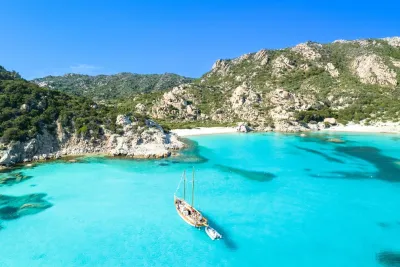
Sardinia is the Mediterranean's second-largest island: a micro-continent with over 1,800 km of coastline among the world's most beautiful, Caribbean beaches, turquoise sea, sea caves, sheer cliffs. But Sardinia is much more than sea: it's the wild mountainous interior of Gennargentu, 7,000 nuraghi witnessing a unique prehistoric civilization, villages where ancient languages are spoken (Sardinian, Catalan, Gallurese, Tabarchino), millennial agro-pastoral traditions, craftsmanship, identity festivals. A land that guards its soul with pride.
Costa Smeralda: The Mediterranean Elite
Costa Smeralda is Sardinia's most exclusive northeastern stretch: created in the 1960s by Aga Khan Consortium, synonymous with luxury, yachts, VIPs, 5-star resorts.
Porto Cervo: Costa Smeralda capital, with mega-yacht marina, luxury boutiques, worldly Piazzetta heart, Stella Maris (church with sea view), exclusive nightclubs (Billionaire).
Porto Rotondo: elegant resort with marina, Church of San Lorenzo (designed by Andrea Cascella), villas immersed in greenery.
Costa Smeralda beaches have finest white sand and emerald waters:
• Spiaggia del Principe: small, sheltered, finest sand, transparent water
• Capriccioli: cove with smooth granite rocks, turquoise water
• Romazzino: long sandy beach in front of Romazzino Hotel
• Liscia Ruja (Long): Costa Smeralda's longest
• Cala di Volpe: protected bay, golden sand
La Maddalena Archipelago: Natural Paradise
La Maddalena Archipelago (National Park) comprises 7 main islands and over 60 islets: crystal waters, wind-smoothed pink granite, Mediterranean scrub, wild nature.
La Maddalena: main island with homonymous town (old town with alleys, squares, churches, marina), Nino Lamboglia Naval Museum, island panoramic tour (20 km among coves, panoramas, Napoleonic fortifications).
Caprera: connected to La Maddalena by bridge, hosts Garibaldi House Museum (where Hero of Two Worlds lived final years and was buried), Garibaldi Complex, wild beaches (Cala Coticcio "Tahiti," Due Mari, Relitto).
Budelli: uninhabited island with Pink Beach (pink sand from microorganisms, today protected and inaccessible), visitable by boat circumnavigating.
Spargi, Santo Stefano, Razzoli, Santa Maria: smaller islands with paradise coves reachable by private boat or organized excursions.
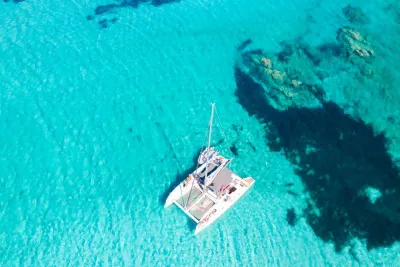
Boat excursions (dinghy, catamaran, sailboat) are the best way to explore archipelago, stopping to swim, snorkel, onboard lunches.
Gulf of Orosei: Legendary Coves and Caves
Gulf of Orosei on eastern coast is succession of limestone cliffs, sea caves, coves reachable only by sea or challenging hiking.
Cala Gonone: seaside village base for sea excursions, diving, trekking. Tourist port offers daily tours.
Most famous coves:
• Cala Luna: whitest beach with oleanders, natural cave, turquoise water (reachable by sea or 4-hour trek)
• Cala Mariolu: round white pebbles, emerald water with incredible transparency
• Cala Goloritzé: UNESCO heritage, limestone pinnacle (Aguglia) towers over beach, natural arch, crystal water (reachable by 1.5-hour trek or by sea with landing ban)
• Cala Sisine: wild beach with oleanders
• Cala Biriola: small and intimate
Sea caves:
• Grotta del Bue Marino: 5 km galleries with stalactites, stalagmites, underground lakes, monk seal colony until 1980s (visitable with guided tour)
• Grotta del Fico: stalactites, stalagmites, underground canyon
Alghero: Sardinia's Barceloneta
Alghero is a Catalan city in Sardinia: old town preserves Catalan language (Algherese Catalan still spoken), traditions, architecture. Was Aragonese-Catalan dominion from 14th century.
Old town with bastions on sea, medieval towers, Cathedral of Santa Maria, paved alleys, fish restaurants is charming. Passeggiata delle Mura on seafront offers spectacular sunsets.
Capo Caccia: limestone promontory (168 m) overlooking sea with Neptune's Cave reachable by sea (from Alghero by boat) or via Escala del Cabirol (654 steps carved in rock). Cave has stalactites, stalagmites, columns, underground saltwater lake.
Beaches: Maria Pia, Bombarde, Lazzaretto have golden sand and transparent waters.
Stintino and La Pelosa
Stintino is former fishing village (low white and blue houses) at Sardinia's extreme northwest.
La Pelosa Beach: among Italy and world's most beautiful, with finest white sand, shallow turquoise water, sandy seabed, Isola Piana opposite and Aragonese Torre della Pelosa. Family paradise but very crowded in summer (summer limited number, booking required).
Castelsardo: Medieval Village on Sea
Castelsardo is one of Italy's most beautiful villages: perched on rocky promontory, with pastel houses, Doria Castle (12th century) atop with weaving museum (Sardinian baskets), Cathedral of Sant'Antonio Abate, steep panoramic alleys.
Elephant Rock: natural elephant-shaped rock formation with domus de janas (prehistoric hypogeum tombs) carved.
Bosa: The Colors Village
Bosa on Temo river (Sardinia's only navigable river) is most colorful village: pastel-painted houses (pink, yellow, blue, green) slope toward river, dominated by Malaspina Castle (12th century).
Corso Vittorio Emanuele with historic palaces, Cathedral of the Immaculate, historic tanneries along river (ancient leather working), Marina di Bosa with beach and fish restaurants.
Cagliari: Millennial Capital
Cagliari, Sardinian capital, is seaside city with millennial history (Phoenician, Punic, Roman, Pisan, Aragonese).
Castello: medieval quarter on high with bastions, towers, Cathedral of Santa Maria, Elephant Tower, San Pancrazio Tower, Bastion of Saint Remy (panoramic terrace), National Archaeological Museum (Nuragic, Punic, Roman finds).
Marina Quarter with alleys, markets (San Benedetto Market, Europe's largest covered), traditional restaurants.
Poetto: 8 km urban beach, white sand, shallow seabed, establishments, Sella del Diavolo (promontory closing west beach, trail to climb top).
Molentargius-Saline: urban park with lagoons, saltworks, pink flamingos (thousands residents).
Chia and Southern Coast
Southern Coast below Cagliari offers Caribbean beaches:
Chia: resort with stunning beaches:
• Su Giudeu: white sand, turquoise water, islets opposite
• Cala Cipolla: protected cove
• Porto Campana: wild beach with dunes and Spanish Torre di Chia
Villasimius and Costa Rei: southeastern coast seaside resorts with award-winning beaches (Punta Molentis, Cala Sinzias, Porto Giunco with Notteri pond and flamingos, Spiaggia del Riso).
Nuraghi: The Mysterious Civilization
Nuragic Civilization (XVIII-II century BC) left over 7,000 nuraghi: dry-stone truncated cone towers, unique worldwide, mysterious (palaces, fortresses, cult places?).
Su Nuraxi di Barumini: UNESCO heritage, most important Nuragic complex: central nuraghe with quadrilobed bastion, Nuragic village, mandatory guide.
Nuraghe Losa (Abbasanta): trilobed, among best preserved, internal staircase, chambers, terrace.
Nuraghe Santu Antine (Torralba): "Sa Domo de su Re," massive, three towers.
Tombs of Giants: megalithic collective burials with central stele (semicircular exedra).
Sacred wells: Nuragic temples for water worship (Santa Cristina Well, Santa Vittoria Well).
Barbagia: Sardinia's Wild Heart
Barbagia is mountainous inland region around Gennargentu (massif with Punta La Marmora, 1,834 m, highest peak): harsh landscapes, holm oak and oak forests, pastoral villages, very strong identity traditions.
Orgosolo: village famous for murals (over 150) decorating facades telling history, politics, Sardinian culture. Pastoral tradition, tenores singing (male polyphonic singing, UNESCO heritage).
Mamoiada: village with Mamuthones and Issohadores Mask, ancestral terrifying masks with bells parading at Carnival and Sant'Antonio.
Nuoro: city native to Grazia Deledda (1926 Literature Nobel), with House Museum, Costume Museum (MAN) with period Sardinian traditional costumes, jewelry, fabrics.
Oliena: wine village at Supramonte foot, produces Cannonau (DOC red wine), center for Supramonte trekking, Su Gologone (spectacular karst spring).
Supramonte trekking: limestone plateau with gorges (Gola di Gorropu, Italy's deepest canyon after Dolomites), caves, trails for expert hikers, wild nature.
Trenino Verde: Journey in Authentic Sardinia
Trenino Verde is narrow-gauge historic tourist railways system crossing mountainous Sardinia interior: landscapes, villages, valleys, with vintage trains. Scenic slow routes among Mandas-Arbatax, Macomer-Bosa, Isili-Sorgono.
Carloforte and San Pietro Island
Carloforte on San Pietro Island (southwest Sardinia) is Ligurian village in Sardinia: founded in 18th century by Genoese fishermen from Tabarka (Tunisia), preserves Tabarchino dialect (Ligurian), Ligurian architecture, traditions. Historic Tonnara, festivals (Girotonno in May), wild beaches (Cala Fico, Spiaggia Guidi), basalt columns (like Irish ones) make island unique.
Sant'Antioco: Archaeology and Traditions
Sant'Antioco (island connected to mainland by bridge) is village with Phoenician-Punic Archaeological Area (necropolis, tophet), Archaeological Museum, Paleochristian Catacombs, Savoyard Fort. Weaving, ceramics, tuna fishing traditions.
Food and Wine: Land and Sea Flavors
Sardinian cuisine is identity-based, different from rest of Italy:
First courses:
• Culurgiones: ravioli filled with potatoes, pecorino, mint (characteristic spike closure)
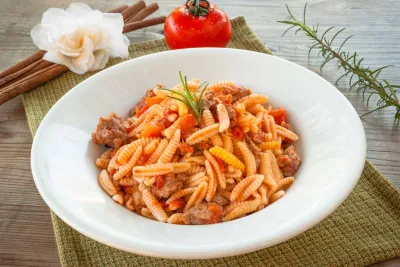
• Malloreddus (Sardinian gnocchetti) with sausage and saffron
• Fregola with clams
• Zuppa gallurese: stale bread, broth, gratinated cheese
Second courses:
• Porceddu (suckling pig roast): symbol dish
• Roast lamb
• Bottarga of mullet (dried fish roe, "Sardinian caviar")
• Aragosta alla catalana (Algherese dish)
• Burrida (dogfish with walnut sauce)
Bread:
• Pane carasau: very thin, crispy, "music paper"
• Pane guttiau: carasau seasoned with oil and salt
• Su coccoi: artistically decorated bread
Cheeses:
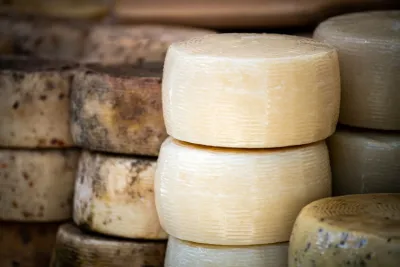
• Pecorino Sardo DOP: sweet or mature
• Fiore Sardo DOP: aged, smoked
• Casu marzu: cheese with larvae (illegal but traditional, for brave palates)
Desserts:
• Seadas (sebadas): fried sweet ravioli filled with cheese, honey
• Amaretti: almonds, sugar, egg white
• Pardulas: ricotta and saffron tarts
• Bianchini: Sorso sweets
Wines:
• Cannonau: native red, among world's richest in antioxidants (contribution to Sardinian longevity)
• Vermentino di Gallura DOCG: elegant white
• Monica, Carignano del Sulcis
• Moscato, Malvasia sweets
• Mirto: myrtle berry (red) or leaf (white) liqueur
Traditions and Festivals
Sardinian identity festivals are spectacular:
• Cavalcata Sarda (Sassari, penultimate Sunday May): parade in traditional costumes from all Sardinian towns
• Sant'Efisio (Cagliari, May 1-4): most important procession, embroidered costumes
• Sartiglia (Oristano, Carnival): medieval equestrian joust
• Sa Sartiglia of Tempio Pausania
Tenores singing (UNESCO heritage) and cuncordu singing are unique vocal traditions.
When to Visit Sardinia
Sardinia is splendid April to October: May-June and September ideal (warm sea, less crowded, better prices); July-August for full sea but very crowded and expensive; spring/autumn for hiking, interior, nuraghi; mild winter for cities, villages, carnival.
How to Get Around
Airports: Cagliari-Elmas (south), Olbia-Costa Smeralda (northeast), Alghero-Fertilia (northwest).
Ferries: from Genoa, Livorno, Civitavecchia, Naples, Palermo to Cagliari, Olbia, Porto Torres, Golfo Aranci, Arbatax (car on board possible).
Car rental: essential to explore beaches, interior, villages. Significant distances (Cagliari-Olbia 270 km, 3.5h).
Boat excursions: essential for La Maddalena Archipelago, Gulf of Orosei, Neptune's Cave, Costa Smeralda.
Organized tours: ideal for nuraghi, archaeological sites, wineries, dairies, Trenino Verde, guided trekking.
________________________________________
Discover Sardinia with Expitalia: select experiences you want to live and build tailor-made trip in island of thousand souls. Paradise beaches, millennial nuraghi, identity traditions and authentic flavors await you.

 Italiano
 English