Veneto: Where History Meets Beauty
Veneto is one of Italian regions richest in tourist attractions: Venice, unique UNESCO heritage city worldwide, Dolomites (UNESCO heritage), art cities like Verona, Padua, Vicenza, Lake Garda, Adriatic beaches, Palladian villas, Prosecco hills (UNESCO heritage). A region uniting sea and mountains, art and nature, tradition and innovation, with millennial history linked to Serenissima Republic of Venice that dominated Mediterranean for thousand years.
Venice: La Serenissima
Venice is unique worldwide: city built on 118 islets in lagoon, connected by over 400 bridges, crossed by 150 canals instead of streets. UNESCO heritage, engineering, art, architecture masterpiece defying physics floating on water for over 1,500 years.
Piazza San Marco and Surroundings
Piazza San Marco: "Europe's salon" (Napoleon), Venice's only "piazza" (others are "campi").
St. Mark's Basilica: Byzantine-Romanesque-Gothic masterpiece (IX-XV century), with golden mosaics (8,000 sq m) covering domes and walls, Pala d'Oro (golden altar with Byzantine enamels and precious stones), bronze horses of quadriga (copies, originals in museum), terrace with square view. Free basilica entrance, paid museum, Pala d'Oro, Treasury.
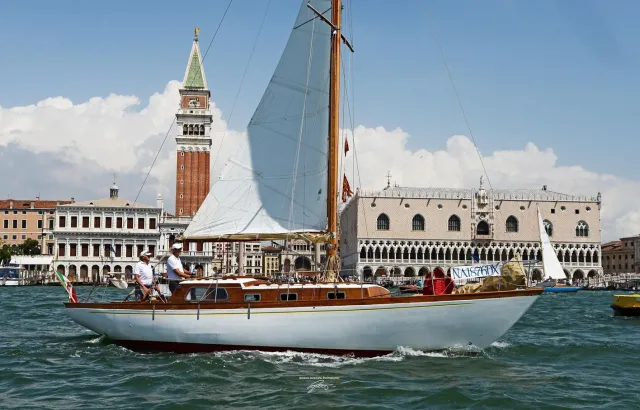
St. Mark's Campanile: 98.6 meters, collapsed 1902 and rebuilt identically 1912. Elevator takes to top for 360° Venice, lagoon, Alps view.
Doge's Palace: Doge residence and Serenissima government seat, Venetian Gothic masterpiece with openwork facade, Giants' Staircase, Great Council Hall (Europe's largest columnless hall, with Tintoretto's Paradise), Bridge of Sighs (connected palace to prisons, from which condemned "sighed" seeing Venice last time), Prisons, Secret Itineraries (hidden power halls, leads where Casanova was imprisoned).
Clock Tower: Renaissance astronomical clock with Moors striking hours, visitable interior with guided tour.
Procuratie: elegant arcades surrounding square with Caffè Florian (1720, historic café with 18th-century interiors, live music) and other historic cafés.
Grand Canal and Bridges
Grand Canal is Venice's main artery in reverse S shape, 3.8 km long, flanked by over 170 historic palaces (Ca' d'Oro, Ca' Rezzonico, Ca' Foscari, Palazzo Grassi, Punta della Dogana).
Vaporetto Line 1: public ferry traveling entire Grand Canal with stops, economical and evocative way to admire palaces (about 40 minutes Piazzale Roma to San Marco).
Rialto Bridge: most famous and oldest Grand Canal bridge (1591), in white stone with jewelry shops, iconic view.
Accademia Bridge: wooden bridge with Grand Canal and Salute Basilica view.
Scalzi Bridge: near train station.
Museums and Galleries
Accademia Galleries: most important Venetian museum, with 14th-18th century Venetian masterpieces (Bellini, Giorgione, Titian, Tintoretto, Veronese, Tiepolo, Canaletto).
Peggy Guggenheim Collection: modern and contemporary art (Picasso, Kandinsky, Pollock, Dalí, Miró) in Palazzo Venier dei Leoni on Grand Canal.
Ca' Rezzonico: 18th-century Venetian museum, with Tiepolo-frescoed halls, period furnishings, Canaletto and Guardi paintings.
Ca' d'Oro: Gothic palace with Franchetti Gallery (Mantegna, Titian, sculptures).
Venice Neighborhoods
San Marco: most touristic, elegant, expensive neighborhood.
Dorsoduro: artistic neighborhood with Accademia Galleries, Peggy Guggenheim, Baroque Basilica of Santa Maria della Salute (at Dogana tip), Campo Santa Margherita (lively, students).
Cannaregio: most authentic neighborhood with Jewish Ghetto (world's first ghetto, 1516, with historic synagogues, Jewish museum, narrow calli), Madonna dell'Orto Church (Tintoretto).
Castello: eastern neighborhood with Arsenal (historic Serenissima shipyard, Biennale venue), San Zaccaria Church, Via Garibaldi.
Santa Croce and San Polo: central neighborhoods with Gothic Frari Basilica (with Titian's Assumption, Titian's Pesaro Madonna, Canova's funerary monument), Scuola Grande di San Rocco (Tintoretto painted 50 canvases covering walls and ceilings, absolute masterpiece), Rialto Market (fish and fruit-vegetable market, morning).
Lagoon Islands
Murano: artistic glass island, with visitable furnaces where master glassblowers blow glass with millennial techniques (free demonstration, object sales). Glass Museum, Basilica of Santa Maria e San Donato (12th-century mosaic floor).
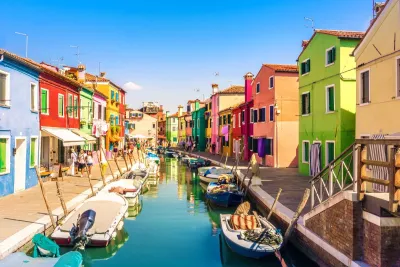
Burano: fishermen's island with colorful houses (each family painted house different color to recognize in fog), famous for Burano lace (needle embroidery, UNESCO intangible heritage), Lace Museum, fish restaurants, fairytale atmosphere.
Torcello: almost uninhabited island with Basilica of Santa Maria Assunta (7th century, lagoon's oldest), extraordinary Byzantine mosaics (Last Judgment, Madonna and Child on gold background), bell tower with lagoon view, silent and ancient atmosphere.
Lido: island-peninsula with beaches (Venice Lido), Film Festival (August-September), historic hotels, Liberty.
Gondolas and Transport
Gondolas: Venice icon, traditional black boats (regulation from 1562) led by gondolier. Gondola ride costs 80-100€ for 30-40 min (fixed rate for max 6 people). Romantic but touristic.
Traghetti: gondola-ferries crossing Grand Canal at various points (2€, standing, 2 min, used by Venetians).
Vaporetto: ACTV water public transport, 75 min ticket (9.50€) or daily/multi-day passes.
Venice Carnival
Venice Carnival (February-March, 10 days before Ash Wednesday) is one of world's most famous: historic Venetian masks (bauta, moretta, plague doctor), elaborate 18th-century costumes, historic palace parties, Angel's Flight (inauguration from St. Mark's Campanile), Piazza San Marco parades. Magical and mysterious atmosphere.
Verona: City of Romeo and Juliet
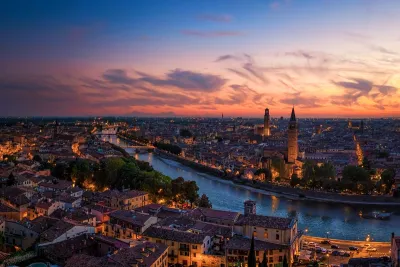
Verona is UNESCO heritage: art city with Italy's third-largest Roman amphitheater, linked to Shakespeare's Romeo and Juliet tragedy.
Arena di Verona: perfectly preserved Roman amphitheater (1st century AD), hosting 15,000 spectators. Summer opera festival (June-September) with operas in monumental sets (traditional Aida, Carmen, Traviata). Visitable by day.
Juliet's House: medieval palace with courtyard, balcony (added in 1900s) where legend says Romeo declared his love, bronze Juliet statue (tradition wants touching right breast brings love luck), courtyard walls covered with love messages. Very touristic but iconic.
Piazza delle Erbe: square on ancient Roman forum, with frescoed palaces, Madonna Verona fountain, market, frescoed Mazzanti houses, Lamberti Tower (84 m, scalable for Verona view).
Piazza dei Signori: elegant square with Palazzo della Ragione, Renaissance Loggia del Consiglio, Gothic suspended Scaligeri Arches (tombs of Della Scala, Verona lords).
Castelvecchio: Scaligeri medieval castle (14th century) with fortified Scaligero Bridge over Adige river, today Civic Museum with works by Pisanello, Mantegna, Bellini, Tintoretto, Veronese, Tiepolo.
Basilica of San Zeno Maggiore: Romanesque masterpiece (12th century) with pink and white striped facade, "Wheel of Fortune" rose window, bronze portal with medieval panels, crypt with San Zeno's body, Mantegna triptych.
Roman Theater and Stone Bridge: Roman theater (1st century BC) with hillside-carved cavea, still used for summer shows, Archaeological Museum in monastery above theater, Verona view. Stone Bridge: Roman bridge over Adige river.
Padua: City of the Saint
Padua is university city (University founded 1222, one of world's oldest, where Galileo taught) and Saint's city (Saint Anthony of Padua).
Scrovegni Chapel: Giotto's absolute masterpiece (1303-1305), with fresco cycle on Stories of Joachim and Anna, Stories of Mary, Stories of Christ, Last Judgment. Mandatory booking (max 25 people for 15 minutes), considered Trecento's Sistine Chapel. Limited entry for conservation.
Basilica of Saint Anthony (the Saint): basilica-sanctuary dedicated to Saint Anthony of Padua (1195-1231), pilgrimage destination from worldwide. Romanesque-Gothic architecture with Byzantine domes, interior with Saint's Chapel (tomb, incorrupt tongue relic), Treasury Chapel, cloisters, Donatello works (bronze altar, crucifix). Piazza del Santo with Donatello's Gattamelata equestrian statue (first Renaissance large bronze).
Prato della Valle: one of Europe's largest squares (90,000 sq m), elliptical with central island (Memmia) surrounded by canal and 78 statues of illustrious persons. Saturday morning market.
Palazzo della Ragione: "il Salone" (13th century), medieval hall among Europe's largest (80x27 m columnless), with ship-keel wooden ceiling, astrological frescoes, Vituperation Stone (where insolvent were publicly exposed).
Caffè Pedrocchi: historic café (1831) with neoclassical halls, green, white, red room (tricolor), Risorgimento museum.
Botanical Garden: world's oldest university botanical garden still in original location (1545), UNESCO heritage, with Goethe's Palm (1585, cited by Goethe), greenhouses, historic botanical collections.
Vicenza: City of Palladio
Vicenza is UNESCO heritage for Andrea Palladio's architecture (1508-1580), Renaissance architect revolutionizing architecture with Palladian style (influenced world architecture, from England to USA).
Palladian Basilica: Palladio's first public masterpiece (1549), with loggias wrapping pre-existing Gothic palace, panoramic terrace. Hosts exhibitions.
Olympic Theater: Palladio's last masterpiece (1580), first modern era covered masonry theater, with Vincenzo Scamozzi's wooden fixed perspective scene (city street perspectives seeming long but few meters deep, optical illusion). Still used for shows. UNESCO heritage.
Villa Almerico Capra called La Rotonda: iconic Palladian villa (1567) on hill outside Vicenza, central plan with four identical facades with pronaos, dome. One of world's most imitated architectures. Visitable (limited interiors).
Corso Palladio: main street with Palladian palaces (Palazzo Chiericati today Civic Museum with Picture Gallery).
Palladian Villas of Veneto: over 20 Palladio-designed villas scattered in Veneto (UNESCO heritage), many visitable (Villa Barbaro at Maser with Veronese frescoes, Villa Foscari "La Malcontenta", Villa Emo).
Treviso: City of Canals
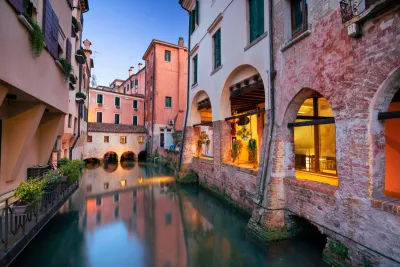
Treviso is walled medieval city crossed by canals (Sile and Cagnan), arcades, frescoed facades, elegant and tranquil atmosphere.
Piazza dei Signori: Treviso heart with Palazzo dei Trecento, Loggia dei Cavalieri.
Canals: Riviera Garibaldi along Sile, Pescheria Island (fish market on islet), mills, frescoed houses reflecting in water.
Cathedral: with Romanesque crypt, Pordenone-frescoed Malchiostro Chapel, Titian's Annunciation.
Treviso is Tiramisu homeland (invented here in 1960s at Le Beccherie restaurant): spoon dessert with ladyfingers, mascarpone, coffee, cocoa.
Prosecco di Conegliano-Valdobbiadene DOCG: hills north of Treviso produce Prosecco, UNESCO heritage since 2019.
Lake Garda Veneto
Lake Garda's eastern shore is Venetian: elegant resorts, medieval villages, amusement parks.
Bardolino: wine village (Bardolino DOC, light red wine), lakefront, old town, cycle path.
Garda: village giving name to lake, ruined medieval Rocca on high, elegant lakefront.
Torri del Benaco: village with lakeside medieval Scaligero Castle (ethnographic museum, lemon house), historic port.
Malcesine: village with Scaligero Castle perched on rocky spur (where Goethe stayed), Monte Baldo Cable Car rising to 1,800 m (rotating cabins) with lake and Alps view, hiking, mountain biking, paragliding.
Brenzone, Pai, Castelletto: quiet villages with olives, Mediterranean atmosphere.
Peschiera del Garda: star-shaped Venetian fortress (UNESCO heritage), canals, Mincio river outlet from lake, Gardaland (5 km, Italy's most famous amusement park).
Lazise: walled medieval village with Scaligeri castle, Venetian port, weekly market.
Veneto Dolomites
Veneto Dolomites are part of UNESCO heritage Dolomites: spectacular mountain groups in Belluno province.
Cortina d'Ampezzo: "Pearl of Dolomites" (see Trentino-Alto Adige section), worldly ski resort, 2026 Winter Olympics, Tre Cime di Lavaredo, hiking, climbing.
Marmolada: "Queen of Dolomites" (3,343 m), with glacier, cable car to 3,265 m, summer skiing, high-altitude Great War museum.
Civetta, Pelmo, Antelao: mountain groups with vertical walls, hiking, alpine refuges.
Lake Alleghe: alpine lake at Civetta foot, village, water sports.
Val di Zoldo, Agordino, Cadore: Dolomitic valleys with villages, trails, wood craftsmanship.
Bassano del Grappa and Asolo
Bassano del Grappa: city on Brenta river with Palladio-designed covered wooden Ponte Vecchio (Alpine Bridge, rebuilt multiple times), Alpine Museum, grappa distilleries (Nardini, Poli), artistic ceramics.
Asolo: "city of hundred horizons," medieval hillside village with Rocca, Freya Stark villa, elegant atmosphere, pre-Alpine hill panoramas.
Possagno: Antonio Canova's birthplace, with Gipsoteca (plaster casts of sculptures), Canova-designed Canovian Temple (neoclassical Pantheon).
Prosecco Hills: UNESCO Heritage
Prosecco Hills of Conegliano and Valdobbiadene are UNESCO heritage (2019) for wine-growing cultural landscape: steep hogback (pig back) hills with terraced vineyards, grassy ciglioni, villages, Prosecco Road.
Valdobbiadene, Conegliano: Prosecco Superiore DOCG capitals. Visitable historic and modern wineries (Nino Franco, Bisol, Ruggeri, Villa Sandi) with tastings, vineyard visits.
Cartizze: 107-hectare sub-zone on steepest hills, most precious and expensive Prosecco.
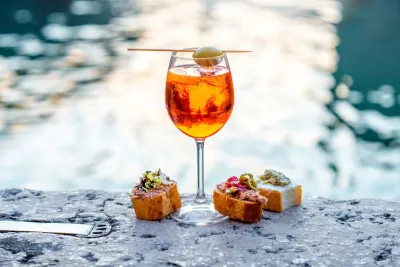
Osterias: typical Venetian taverns serve cicchetti (snacks), cured meats, cheeses, traditional dishes with Prosecco glass.
Veneto Beaches: Adriatic Coast
Venetian Adriatic coast offers sandy beaches, equipped seaside resorts:
Jesolo: Veneto's most touristic seaside resort, 15 km sandy beach, establishments, nightclubs, promenades, Piazza Mazzini, Sea Life Aquarium.
Bibione: family-friendly resort, wide beach, spas.
Caorle: fishing village with Venetian old town, cylindrical bell tower Romanesque Cathedral, beaches, tourist port.
Cavallino-Treporti: coast between Venice lagoon and sea, campgrounds, natural beaches.
Sottomarina (Chioggia): wide beaches, Chioggia "little Venice" with canals, bridges, morning fish market.
Rosolina Mare and Po Delta: wild coast in Po Delta Park, nature, birdwatching, cycle-tourism routes.
Food and Wine: Venetian Traditions
Venetian cuisine varies by zone (sea, mountains, lagoon, plain):
First courses:
- Risotto (Venetian with bruscandoli or peas, black cuttlefish ink, Amarone)
- Bigoli in sauce (thick wheat flour pasta with onions and anchovies)
- Venetian Pasta e fagioli
Second courses:
- Baccalà alla vicentina: stockfish creamed with milk, oil, anchovies
- Fegato alla veneziana: calf liver with onions
- Sarde in saor: marinated sardines with onions, raisins, pine nuts, vinegar (Venetian dish)
- Cuttlefish in black with polenta
- Eel (lagoon, Comacchio)
Cicchetti: Venetian snacks served in bacari (Venetian taverns) with ombra de vin (wine glass): meatballs, creamed cod, sardines, croutons.
Cheeses:
- Asiago DOP (fresh, aged)
- Monte Veronese DOP
- Piave DOP
- Morlacco del Grappa
Cured meats:
- Sopressa Vicentina DOP
- Veneto Berico-Euganeo Ham DOP
Vegetables:
- Radicchio (Treviso IGP, Chioggia, Verona, Castelfranco IGP)
- Bassano Asparagus DOP
Desserts:
- Tiramisu: invented in Treviso
- Pandoro: Verona Christmas sweet
- Fritole: Venetian Carnival fritters
- Baicoli: dry Venetian cookies
- Zaleti: Venetian cookies with corn flour and raisins
Wines (Veneto among Italy's top wine regions):
- Prosecco: Conegliano-Valdobbiadene Superiore DOCG, Asolo Superiore DOCG
- Amarone della Valpolicella DOCG: powerful red from dried grapes
- Valpolicella Ripasso DOC: red passed on Amarone pomace
- Recioto della Valpolicella DOCG: sweet red passito
- Soave DOC: dry white from Verona Hills
- Bardolino DOC: light Garda red
- Lugana DOC: Garda white
Grappa: pomace distillate, produced throughout Veneto (Bassano capital).
Venetian Villas
Veneto has over 4,000 Venetian villas: countryside residences of Venetian nobility (XV-XVIII century), many frescoed, with parks, barchesse. Beyond UNESCO Palladian Villas, there are visitable villas: Villa Pisani at Stra (monumental villa with labyrinth), Villa Barbaro at Maser (Palladio + Veronese frescoes).
When to Visit Veneto
Veneto is visitable year-round: spring (April-May) for art cities, villas, flowering hills; summer for Adriatic sea, lakes, Dolomites, Arena di Verona opera festival; autumn (September-October) for grape harvest, colors, radicchio, fewer tourists; winter for Venice Carnival (February), Dolomites skiing, atmospheric cities.
How to Get Around
Airports: Venice Marco Polo (main), Treviso (low-cost), Verona Villafranca.
Trains: capillary network, high speed stops at Venice, Padua, Verona, Vicenza. Regional trains connect all cities.
Car: useful for villas, Prosecco hills, Dolomites, Lake Garda. In Venice prohibited (expensive Tronchetto, Piazzale Roma parking, better train). Highways: A4 (Milan-Venice), A27 (Mestre-Belluno).
Vaporetto: Venice public transport (ACTV), tourist passes.
Organized tours: ideal for Prosecco hills with wine tour and driver, Palladian villas, lagoon island excursions, Dolomites.
Discover Veneto with Expitalia: select experiences you want to live and build tailor-made trip in Serenissima region. Venice, Verona, Dolomites, Prosecco and millennial traditions await you.

 Italiano
 English