Campania - Expitalia Project
Preview (500 characters max)
Campania is the region of wonders: vibrant and authentic Naples, the UNESCO Amalfi Coast, dreamy Capri and Ischia, Pompeii and Herculaneum telling history. Here you experience unforgettable moments between active volcanoes, limoncello and buffalo mozzarella, seaside villages and panoramic trails. From Vesuvius to Cilento, from the Gulf islands to Paestum temples: a land that enchants with beauty, culture, flavors and unique human warmth worldwide.
Characters: 496
Full Article
Campania: Where Beauty is at Home
Campania is one of the most loved Italian regions worldwide, capable of offering an extraordinary concentration of natural beauty, archaeological treasures, art, culture and gastronomic traditions. From Naples, UNESCO heritage city, to the Amalfi Coast, from the Gulf islands to the most important archaeological sites on the planet, Campania is a journey into Italian excellence.
Naples: The Pulsating Heart of the South
Naples is a city that doesn't leave you indifferent: chaotic, passionate, authentic, it preserves an extraordinary historical-artistic heritage concentrated in its UNESCO old town.
Cultural tours through Naples include:
- Spaccanapoli: the artery that cuts the old town in two, between baroque churches, artisan workshops, Neapolitan nativity scenes
- Sansevero Chapel with the Veiled Christ, sculptural masterpiece that leaves you breathless
- Santa Chiara Monumental Complex with majolica-decorated cloister
- San Gennaro Cathedral where the patron saint's blood is preserved
- Underground Naples: 2,400 years of history beneath your feet, between Greek aqueducts, war shelters and mysterious tunnels
- National Archaeological Museum (MANN): one of the world's most important for Greco-Roman collections and treasures from Pompeii and Herculaneum
The waterfront from Mergellina to Posillipo, with Castel dell'Ovo and Castel Nuovo (Maschio Angioino), offers walks with Gulf and Vesuvius views. The Galleria Umberto I and Piazza del Plebiscito are essential stops.
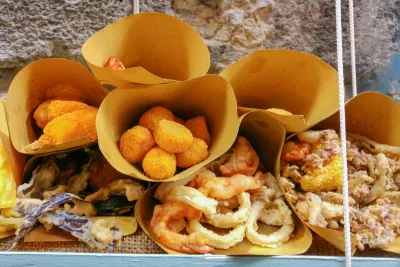
Gastronomic Naples is discovered through street food tours: fried pizza, seafood cuoppo, sfogliatella, babà, pastiera, suspended coffee. True Neapolitan pizza (UNESCO heritage) is enjoyed in historic pizzerias like Da Michele, Sorbillo, Di Matteo.
Amalfi Coast: The Mediterranean Dream
The Amalfi Coast is UNESCO heritage and one of the world's most desired destinations. The Amalfi Coast State Road 163 is considered one of the planet's most beautiful scenic roads.
Positano, with its pastel-colored houses cascading to the sea, is the Coast's icon: beaches like Spiaggia Grande and Fornillo, fashion boutiques, seafront restaurants, and the Path of the Gods starting right here.
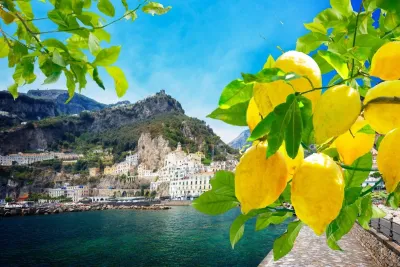
Amalfi, the maritime city that gives its name to the coast, preserves the Cathedral of Sant'Andrea with its scenic staircase, the Ancient Paper Mills where paper is still handmade, and the Valley of the Mills, nature reserve with waterfalls and subtropical microclimate.
Ravello, "city of music," suspended between sky and sea at 350 meters altitude, enchants with Villa Rufolo and Villa Cimbrone whose gardens offer the "terrace on infinity," one of Italy's most photographed panoramas.
Atrani, Italy's smallest village by extension, preserves an authentic atmosphere away from mass tourism.
Boat excursions along the Coast allow you to discover sea caves like the Emerald Grotto, hidden coves reachable only by sea, and admire the cliffs from a unique perspective. Sorrentine gozzo tours are a typical and romantic experience.
Sorrento Peninsula and Sorrento
Sorrento is the gateway to the Amalfi Coast: overlooking a tuff cliff with views of the Gulf of Naples and Vesuvius, it's famous for terraced lemon groves and production of the famous limoncello.
Food and wine tours include visits to mills for extra virgin olive oil DOP Sorrento Peninsula production, dairies for fiordilatte, artisan wood inlay workshops, and limoncello tastings with sea views.
Massa Lubrense, Sant'Agata sui Due Golfi and Marina del Cantone offer quieter alternatives with less crowded beaches and panoramic trails.
The Gulf Islands: Capri, Ischia, Procida
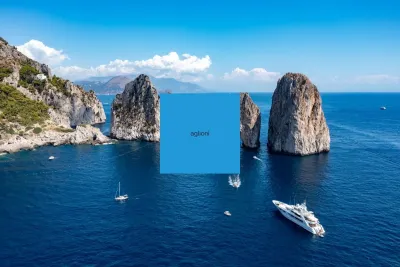
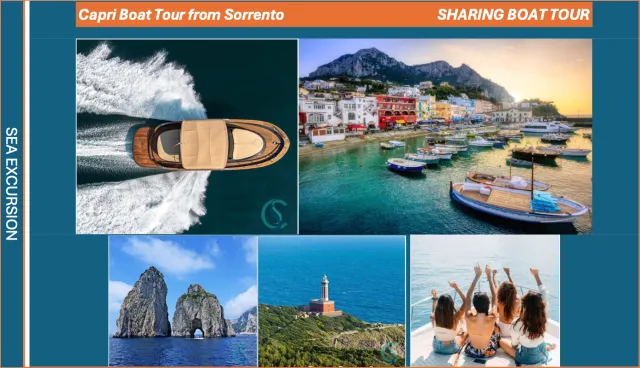
Capri is the dream island: the Faraglioni emerging from turquoise sea, the Piazzetta worldly salon, the Blue Grotto with its magical reflections, Villa Jovis Emperor Tiberius's residence, the Gardens of Augustus with Faraglioni views.
Anacapri, in the island's upper part, offers the Monte Solaro chairlift (589 m) for 360° Gulf panoramas, Villa San Michele, and more relaxed atmospheres.
Boat excursions circumnavigate the island touching caves, natural arches and coves like Marina Piccola.
Ischia, the green island, is famous for thermal parks: Giardini Poseidon, Negombo, Terme di Cavascura offer natural pools, hot springs, therapeutic mud. The Aragonese Castle dominates Ischia Ponte village.
Procida, Italian Capital of Culture 2022, is the smallest and most authentic: pastel-colored houses of Marina Corricella (set of "Il Postino"), beaches like Chiaia and Chiaiolella, Mediterranean atmospheres from other times.
Vesuvius and Archaeological Sites
Vesuvius is continental Europe's only active volcano. Crater excursions start from Herculaneum: a trek of about 30 minutes leads to the crater rim with breathtaking views of the Gulf and lunar panoramas on the smoking mouth.
Pompeii and Herculaneum are the world's most famous archaeological sites: Roman cities buried by the 79 AD eruption and brought to light with houses, frescoes, mosaics, perfectly preserved baths. Guided tours let you discover Roman daily life frozen in time.
The Villa of the Mysteries in Pompeii, the Villa of the Papyri in Herculaneum, and the ultra-modern Virtual Archaeological Museum (MAV) offer immersive experiences in ancient history.
Oplontis (Torre Annunziata) preserves the magnificent Villa of Poppaea, and the Boscoreale Archaeological Park completes the Vesuvian circuit.
Royal Palace of Caserta
The Royal Palace of Caserta is the world's largest Royal Palace by volume: Bourbon residence, UNESCO heritage, with 1,200 rooms, the Court Theater, the Palatine Chapel, and especially the Park with monumental fountains, waterfall and English Garden. Guided tours narrate the history of the Bourbon dynasty and the splendor of the Neapolitan court.
Cilento: Nature and Archaeology
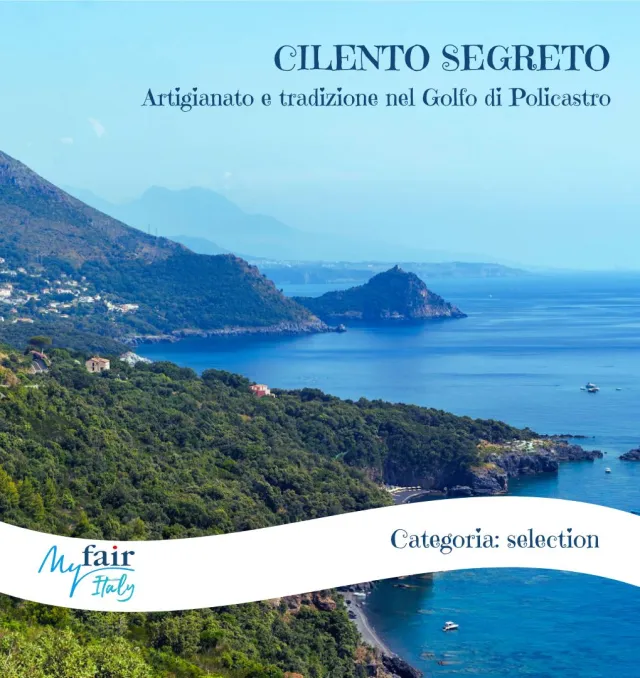
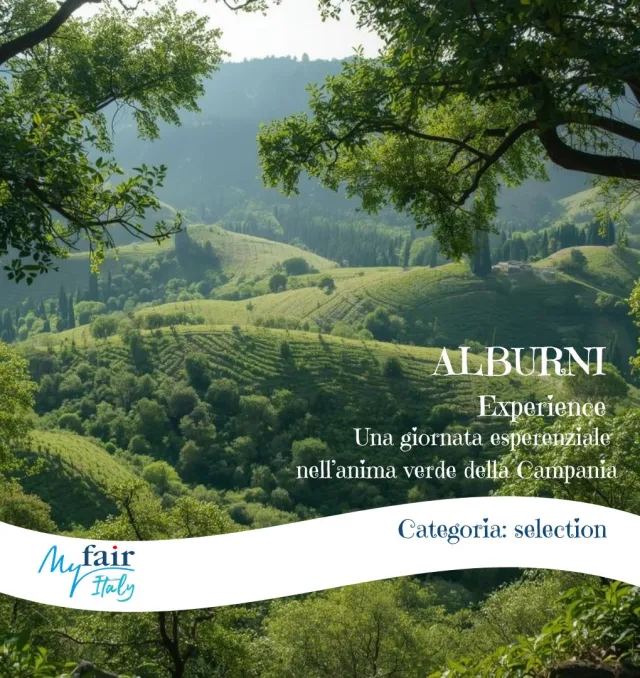
The Cilento, Vallo di Diano and Alburni National Park is UNESCO heritage: a vast territory uniting mountains, wild coasts, medieval villages and archaeological sites.
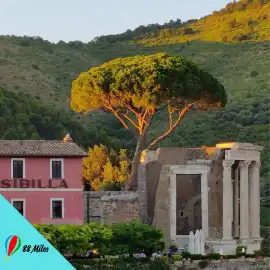
Paestum preserves three of the world's best-preserved Greek temples: Temple of Neptune, Temple of Ceres, Basilica. The Archaeological Museum preserves extraordinary frescoes from the Tomb of the Diver.
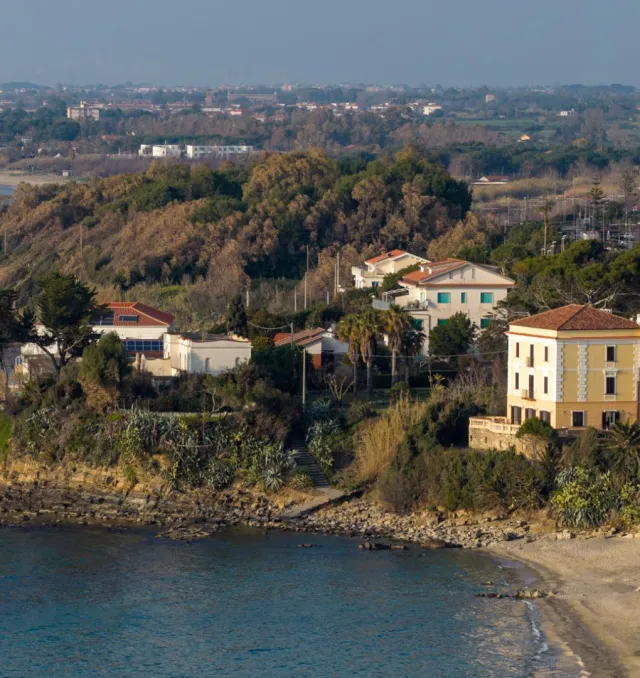
The Cilento coast offers enchanting beaches and villages: Acciaroli (loved by Hemingway), Pioppi (homeland of the Mediterranean Diet), Palinuro with its sea caves like the Blue Grotto, Marina di Camerota, Scario, Sapri.
The Pertosa-Auletta Caves and Castelcivita Caves are spectacular karst complexes visitable by boat and on foot.
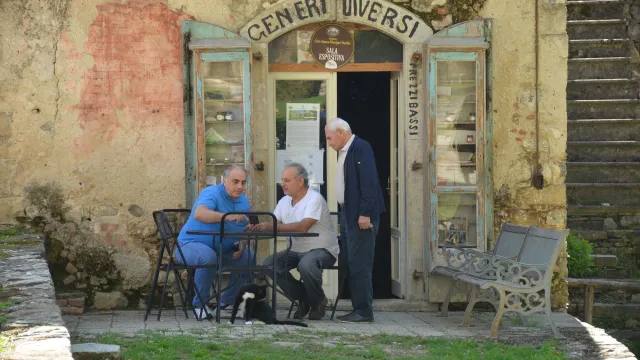
Hiking in the Cilento hinterland touches villages like Castellabate (set of "Benvenuti al Sud"), Pollica, Roscigno Vecchia (ghost village), Teggiano.
Benevento and Sannio
Benevento, city of the Lombards, preserves Trajan's Arch (one of the best-preserved Roman arches), the Church of Santa Sofia (Lombard UNESCO heritage), the Roman Theater, and the Sannio Museum.
The Benevento province produces Strega, famous liqueur, and quality wines like Aglianico del Taburno and Falanghina del Sannio.
Food and Wine: Flavors That Tell Stories
Campanian cuisine is among the world's most loved:
- Buffalo Mozzarella Campana DOP: produced in the Aversa and Paestum plains
- Neapolitan Pizza UNESCO heritage
- Sfogliatella, babà, Neapolitan pastiera, struffoli
- San Marzano Tomato DOP and Piennolo del Vesuvius Tomato DOP
- Amalfi Coast Lemon IGP and Sorrento Lemon IGP
- Gragnano Pasta IGP: artisan pasta-making of secular tradition
- Provolone del Monaco DOP, Cacioricotta, Caciocavallo Silano
- Cetara Anchovy Sauce: ancient condiment already used by Romans
Campanian wines are excellences: Taurasi DOCG (Aglianico del Tauro), Greco di Tufo, Fiano di Avellino, Falanghina, Asprinio di Aversa (base of Campanian sparkling wine).
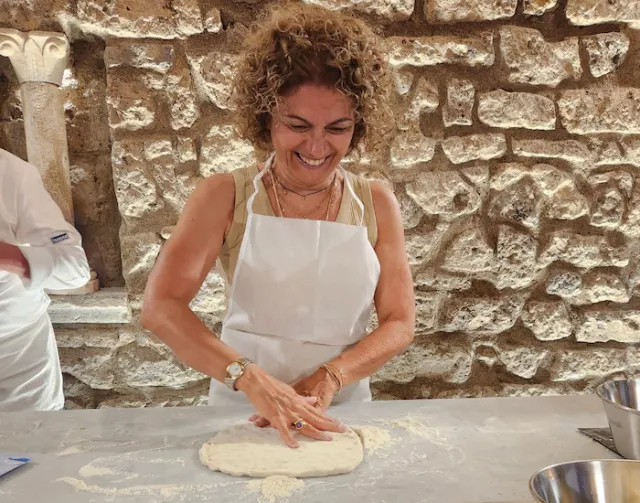
Cooking classes in farmhouses and masserie teach you to prepare gnocchi alla sorrentina, pasta e fagioli with mussels, eggplant parmigiana, Neapolitan baccalà, Neapolitan pizza with natural leavening.
Traditions and Folklore
Campania lives with traditions: the Miracle of San Gennaro (September 19 and December 16), the Madonna dell'Arco on Easter Monday, the Nola gigli (patronal feast with obelisks carried on shoulders), the Ancient Maritime Republics Regatta in Amalfi, the Piedigrotta Festival in Naples.
When to Visit Campania
Campania is splendid year-round: spring and summer for sea and islands (attention: July-August very crowded), autumn for mild temperatures and grape harvest, winter for Naples, archaeological sites and Cilento truffle without mass tourism.
How to Get Around
Naples Capodichino Airport is the main hub. The Circumvesuviana connects Naples to Sorrento and Pompeii. Ferries and hydrofoils depart from Naples (Molo Beverello), Sorrento, Positano for the islands.
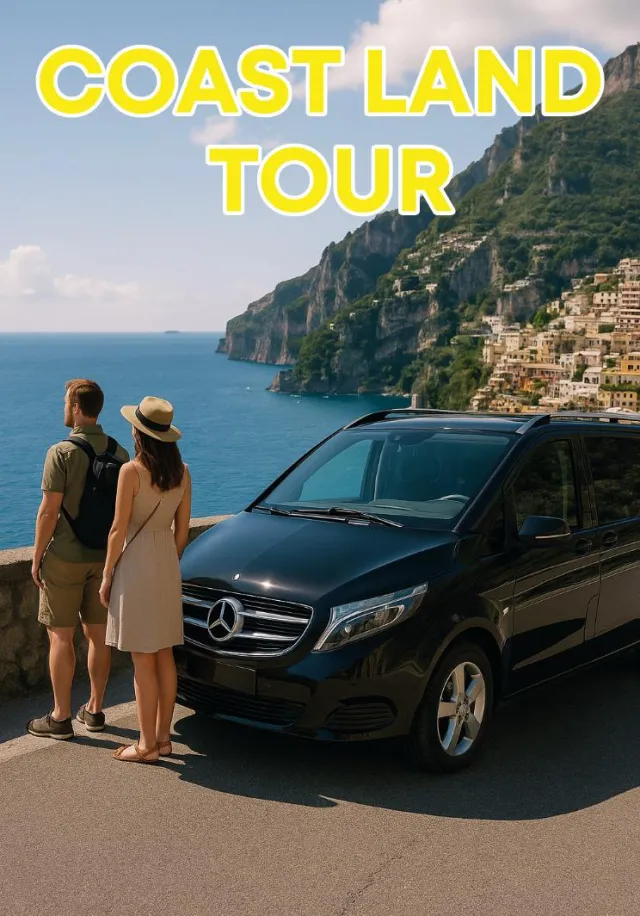
Car rental is recommended for Amalfi Coast and Cilento (attention: narrow roads and traffic in summer). NCC services offer convenient transfers, while organized tours with guide allow you to experience without driving and parking stress.
Discover Campania with Expitalia: select the experiences you want to live and build your tailor-made trip in Italy's most beautiful and authentic region. Art, sea, archaeology, volcanoes and extraordinary flavors await you.

 Italiano
 English