Tuscany: Where Renaissance Meets Nature
Tuscany is probably the world's most beloved Italian region: Renaissance cradle, land of Leonardo, Michelangelo, Dante, Galileo, birthplace of Italian language. But Tuscany is also gentle hills dotted with cypresses, perfectly preserved medieval villages, basilicas housing Italian art masterpieces, legendary wine vineyards, UNESCO heritage cities, coasts with dream islands, marble mountains, natural spas. A region that shaped Italy's global imagination.
Florence: Cradle of the Renaissance
Florence, Tuscan capital, is an open-air museum: every corner houses art masterpieces, Renaissance architecture, Medici history. UNESCO heritage, Europe's cultural capital.
Monumental Florence
Cultural tours through Florence include:
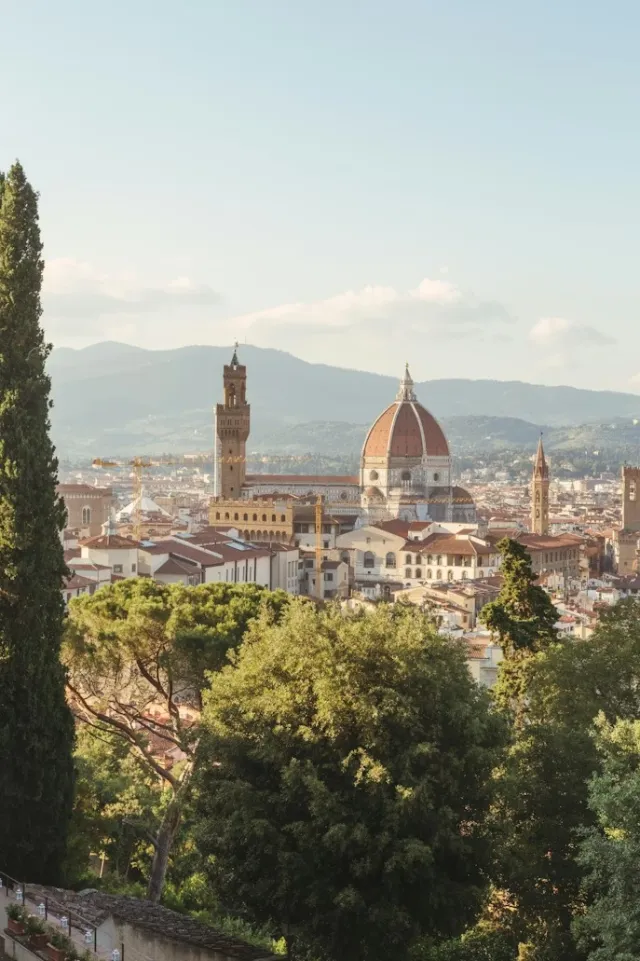
Cathedral of Santa Maria del Fiore: Brunelleschi's Dome (1436) is Italian Renaissance architectural masterpiece, with Vasari frescoes (Last Judgment). 463-step climb for panoramic Florence view. Giotto's Bell Tower (414 steps) and Baptistery (with Ghiberti's Gates of Paradise, copies; originals in Opera Museum) complete complex.
Uffizi Gallery: one of world's most important museums, with Botticelli masterpieces (Birth of Venus, Primavera), Leonardo (Annunciation), Michelangelo, Raphael, Caravaggio, Titian. Booking required.
Accademia Gallery: houses Michelangelo's David (5.17 meters of perfect marble), unfinished Prisoners, Renaissance works.
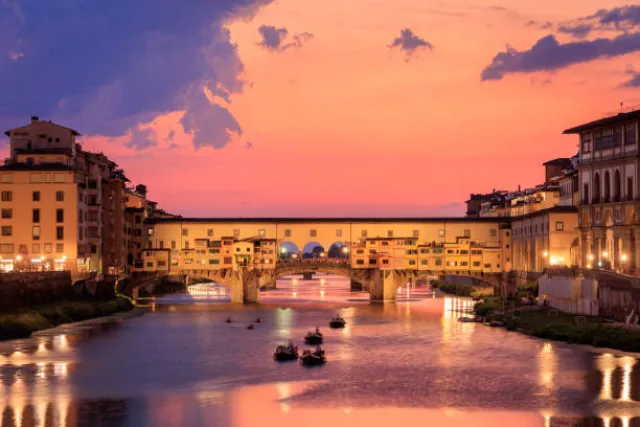
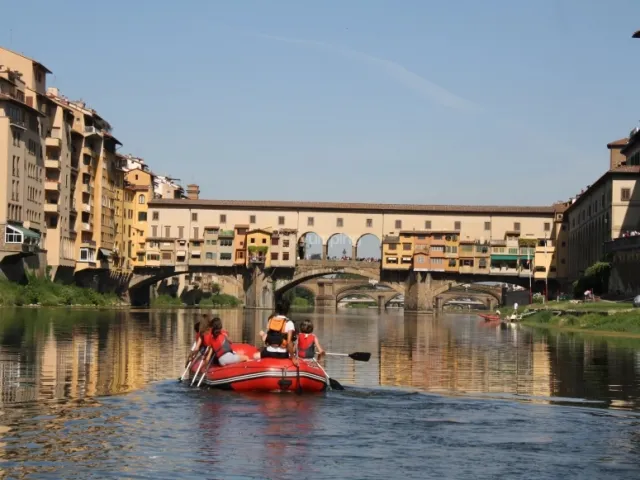
Ponte Vecchio: medieval bridge over Arno river with goldsmith shops (only Florence bridge spared WWII bombings), Vasari Corridor (elevated passage connecting Palazzo Vecchio to Palazzo Pitti through Uffizi).
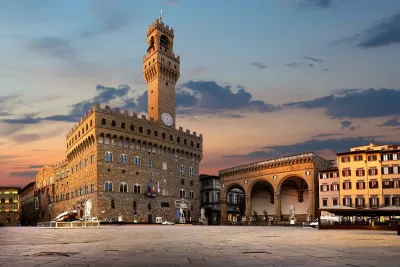
Piazza della Signoria: Florence's political heart, with Palazzo Vecchio (town hall with Arnolfo Tower, Vasari-frescoed Salone dei Cinquecento), Loggia dei Lanzi (Renaissance sculptures: Cellini's Perseus, Giambologna's Rape of Sabines), David replica.
Palazzo Pitti: Medici then Lorraine palace, with Palatine Gallery (Raphael, Titian), Boboli Gardens (16 hectares Italian garden with grottoes, fountains, statues, belvedere).
Basilica of Santa Croce: pantheon of illustrious Italians (tombs of Michelangelo, Galileo, Machiavelli, Rossini), Giotto frescoes, cloisters.
Basilica of San Lorenzo: with Medici Chapels (Michelangelo's New Sacristy, Princes' Chapel with polychrome marbles, Medici tombs).
Basilica of Santa Maria Novella: Renaissance facade, Masaccio frescoes (Trinity), Ghirlandaio, museum with Giotto Crucifix.
Piazzale Michelangelo: panoramic terrace with view over all Florence, Duomo, Ponte Vecchio, hills (David replica in center).
Gastronomic Florence
Food tours discover Florentine cuisine:
- Bistecca alla fiorentina: Chianina T-bone cut (prized cattle breed), 3-4 cm high, 1-1.5 kg, rare-cooked on grill
- Lampredotto: veal tripe stewed, served in sandwich (street food in historic kiosks)
- Ribollita: bread soup with black kale, beans
- Pappa al pomodoro: bread and tomato soup
- Schiacciata fiorentina: thin salty focaccia with oil
- Cantucci with Vin Santo: almond cookies for dunking
Central Market: Liberty covered market with food stalls on ground floor, food court on first floor.
Siena: Gothic Heart of Tuscany
Siena, perfectly preserved medieval city (UNESCO heritage), is Florence's historic rival: Gothic where Florence is Renaissance, collected where Florence is monumental.
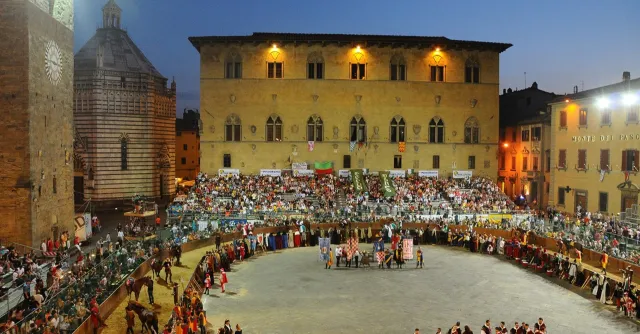
Piazza del Campo: one of world's most beautiful squares, shell-shaped sloping, terracotta-paved divided into 9 segments. Here runs Palio (July 2 and August 16): bareback horse race by jockeys of 17 Contrade (historic neighborhoods) competing. Palio is very strong identity event for Sienese.
Palazzo Pubblico and Torre del Mangia (102 meters, 400 steps): town hall with 14th-century frescoes (Hall of Nine with Lorenzetti's Allegory of Good and Bad Government). Panoramic view from tower.
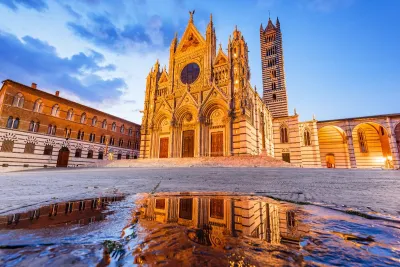
Siena Cathedral: Gothic cathedral with white, black, red marble facade, Pinturicchio-frescoed Piccolomini Library, floor with marble inlays (uncovered only certain year periods).
Baptistery and Opera Museum: with Duccio di Buoninsegna's Maestà.
Sienese alleys with red bricks (Siena earth), contrade with symbols and fountains, authentic medieval atmosphere.
Panforte: medieval Sienese sweet with dried fruit, spices, honey (invented in Middle Ages to preserve in long journeys).
Pisa: Beyond the Leaning Tower
Pisa is universally known for Leaning Tower, but guards much more.
Piazza dei Miracoli (UNESCO heritage) concentrates:
- Pisa Tower: leaning bell tower (57 meters, 3.97° inclination), 294-step climb (booking recommended)
- Romanesque-Pisan Cathedral: facade with blind arcades, bronze portal, Giovanni Pisano pulpit, apse mosaic
- Baptistery: Italy's largest, perfect acoustics (custodian makes sound demonstrations), Nicola Pisano pulpit
- Camposanto Monumentale: monumental cemetery with 14th-century frescoes
Piazza dei Cavalieri: Pisa's medieval heart, with Vasari-designed Palazzo della Carovana (Scuola Normale Superiore), Palazzo dell'Orologio.
Pisan lungarni with historic palaces, Gothic Church of Santa Maria della Spina on Arno river.
Lucca: City of 100 Churches
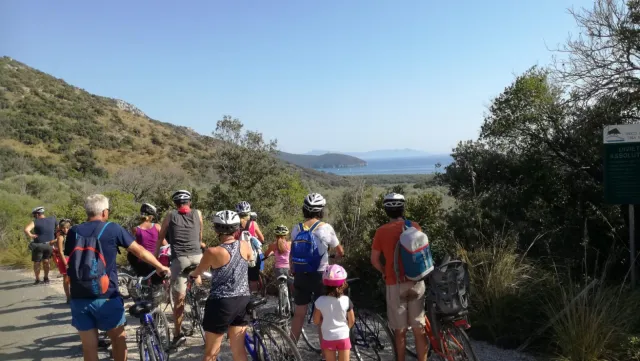
Lucca is the only Tuscan city with intact Renaissance walls (4.2 km walkable on foot or bike, with centuries-old trees atop bastions): wall walk or bike ride is unique experience.
Cathedral of San Martino: Romanesque cathedral with asymmetric facade, Volto Santo (wooden crucifix veneration object), Jacopo della Quercia's tomb of Ilaria del Carretto.
Basilica of San Frediano: facade with golden Byzantine mosaic, Romanesque baptismal font.
Guinigi Tower: only tower with hanging garden on summit (centuries-old holm oaks at 45 meters height), view over Lucca roofs.
Piazza dell'Anfiteatro: elliptical square built on Roman amphitheater foundations, pastel houses, restaurants, cafés.
Lucca is Giacomo Puccini's birthplace: visitable house museum, Puccini festival (summer at Torre del Lago).
Buccellato: Lucca sweet bread with raisins and anise.
San Gimignano: Manhattan of Middle Ages
San Gimignano (UNESCO heritage) is the village of medieval towers: of 72 original, 14 remain (noble families built very tall towers for status symbol). Skyline is unique worldwide.
Piazza della Cisterna: herringbone-paved, with central medieval cistern, towers, palaces.
Cathedral (Collegiata): interior frescoed by Ghirlandaio, Benozzo Gozzoli.
Torre Grossa: the only scalable tower (54 meters, 218 steps), view over Chianti hills.
Vernaccia di San Gimignano: white DOCG wine produced here since 1276.
Gelateria Dondoli (Piazza della Cisterna): world ice cream champion, creative flavors.
Val d'Orcia: UNESCO Heritage Landscape
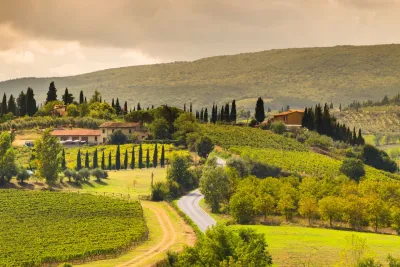
Val d'Orcia is UNESCO heritage for cultural landscape: soft golden hills, solitary or row cypresses, stone farmhouses, vineyards, wheat fields. "Ideal" Renaissance landscape painted in countless artworks.
Pienza: Renaissance "ideal city" designed by Bernardo Rossellino for Pope Pius II. Piazza Pio II with Cathedral, Val d'Orcia-view-visitable Palazzo Piccolomini, Palazzo Borgia. Pienza Pecorino DOP is dairy excellence.
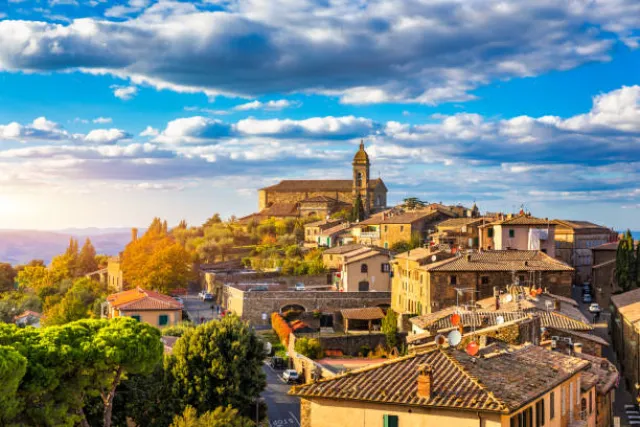
Montalcino: medieval village dominated by Rocca (14th century), produces Brunello di Montalcino DOCG (one of world's most prestigious red wines). Fortress with wine bar, tastings, panoramic view. Abbey of Sant'Antimo: Romanesque abbey in countryside, Gregorian chants.
Montepulciano: Renaissance hilltown village, Piazza Grande with Cathedral, scalable-view Palazzo Comunale, noble palaces. Produces Vino Nobile di Montepulciano DOCG. Visitable historic tuff-carved cellars (Contucci, Redi).
Bagno Vignoni: spa village with Piazza delle Sorgenti (Renaissance steaming pool in village center, where 49°C spa water gushes), Park of Mills with spa cascades.
Cypresses of San Quirico d'Orcia: most photographed cypresses in Tuscany, along Val d'Orcia white roads.
Chianti: Land of Wine and Villages
Chianti is hilly region between Florence and Siena: Chianti Classico DOCG vineyards (wine with Black Rooster), olive groves, medieval villages, villas, farms.
Greve in Chianti: Chianti Classico capital, triangular Piazza Matteotti with arcades, Giovanni da Verrazzano statue (explorer), historic butchers (Falorni), wine bars.
Castellina in Chianti, Radda in Chianti, Gaiole in Chianti: Chianti villages with wineries, oil mills, farmhouses.
Food and wine tours in historic wineries (Castello di Brolio, Antinori, Felsina, Badia a Coltibuono) include vineyard visits, cellars, Chianti Classico tastings, Riserva, Gran Selezione with Tuscan pairings.
Chiantigiana (SR222): scenic road crossing Chianti from Florence to Siena, among vineyards, cypresses, villages.
Maremma and Etruscan Coast
Maremma is wild southern Tuscany: hills, beaches, Mediterranean scrub, butteri (Tuscan cowboys), natural spas.
Maremma Natural Park: wild coast with pine forests, dunes, beaches (Cala di Forno, Collelungo), trails, fauna (fallow deer, wild boars, flamingos), Castelmarino Tower. Limited entry, guided visits, hiking, canoeing, horseback.
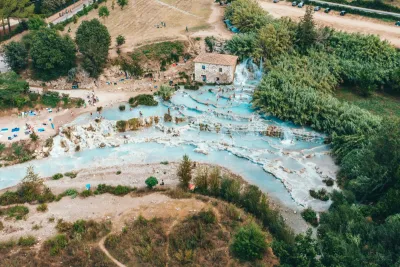
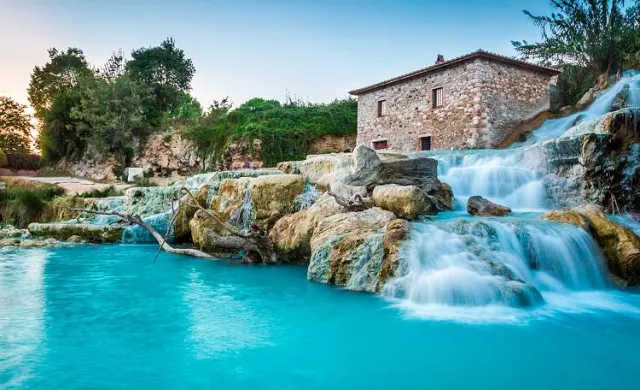
Saturnia: Cascate del Mulino (free natural spas), 37.5°C sulfur water gushing and forming natural travertine pools. Free 24/7 spa bath, spectacular at sunset. Terme di Saturnia Resort (paid) for equipped spa center.
Pitigliano: "little Jerusalem" for historic Jewish community, tuff village perched on rocky spur, Jewish Ghetto, synagogue, tuff-carved cellars, Etruscan Vie Cave (roads carved in tuff up to 20 meters high).
Sovana and Sorano: Etruscan medieval villages with Etruscan necropolises, monumental tombs, sunken roads.
Massa Marittima: medieval village with Romanesque-Gothic Cathedral on Piazza Garibaldi, town hall, visitable copper mines.
Etruscan Coast: from Livorno to Piombino, with seaside villages (Castiglioncello, Bolgheri famous for Supertuscan wines, Carducci-sung cypress avenue).
Versilia: Tuscan Riviera
Versilia is northern Tuscan coast: sandy beaches, historic bathing establishments, pine forests, nightclubs, Apuan Alps background.
Viareggio: elegant seaside resort with Liberty avenues (Viale Margherita, Viale Manin), Viareggio Carnival (February-March) with giant allegorical floats, seafront with historic establishments, fishing (paranza fry), walk on pier.
Forte dei Marmi: exclusive resort, elegant beaches, luxury boutiques, Lorraine Fortino (symbol), Wednesday market, historic Capannina nightclub.
Pietrasanta: "little Athens of Versilia," marble sculpture capital (artisan workshops, bronze foundries), elegant old town with Cathedral, Piazza del Duomo with contemporary artworks, galleries.
Torre del Lago: Viareggio fraction on Massaciuccoli lake, Villa Puccini (composer's house-museum, burial), Puccini Festival (summer) with operas performed on lake.
Apuan Alps and Carrara
Apuan Alps are marble mountains: peaks over 1,900 meters with white marble walls (Michelangelo personally chose blocks here).
Carrara: white marble world capital: visitable marble quarries (Fantiscritti, Colonnata) with 4x4 jeep tours into open-air quarries, underground galleries, vertiginous marble bridges. Marble Museum tells extraction history.
Colonnata: quarrymen's village at 532 meters, famous for Lardo di Colonnata IGP (pork lard aged in marble basins with spices, Slow Food presidium). Tastings in "larderie."
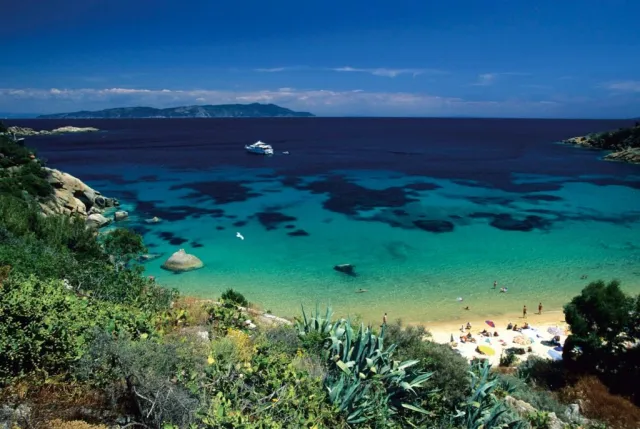
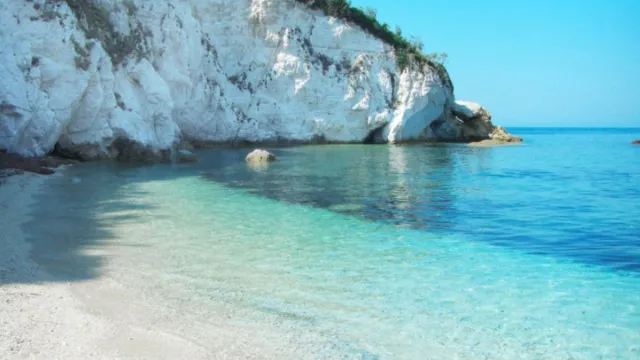
Tuscan Archipelago
Tuscan Archipelago comprises 7 islands (National Park):
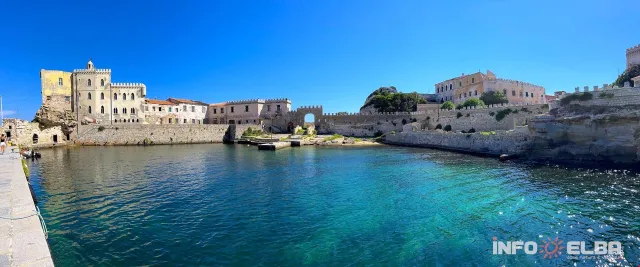
Elba: largest, with beaches (Biodola, Cavoli, Fetovaia, Sansone), Portoferraio (capital with Medici fortresses, Napoleon's exile Villa dei Mulini 1814-15), Villa San Martino (Napoleon's summer residence), Monte Capanne (1,019 m, cable car), villages (Capoliveri, Porto Azzurro, Marciana), trekking, diving, visitable disused iron mines.
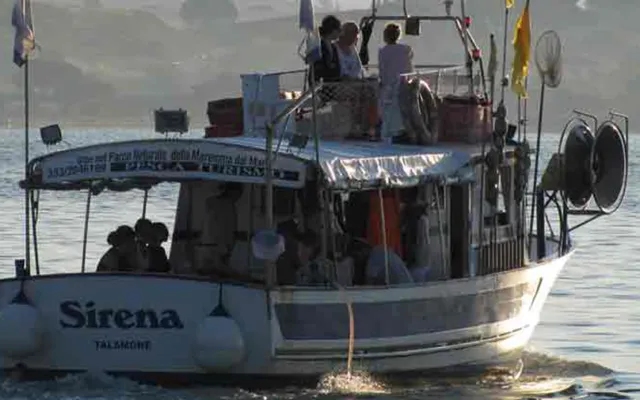
Giglio: wild island with Giglio Castello (walled medieval village on high), Giglio Porto and Giglio Campese, coves, trekking.
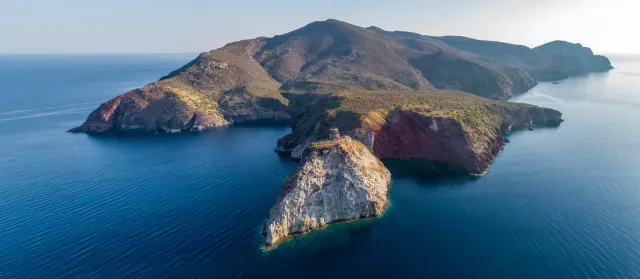
Capraia: volcanic, wild, Cala Rossa (red rock inlet), trekking, diving.
Giannutri, Pianosa, Montecristo (Count of Monte Cristo island), Gorgona: smaller islands, some accessible only with permits.
Arezzo and Cortona
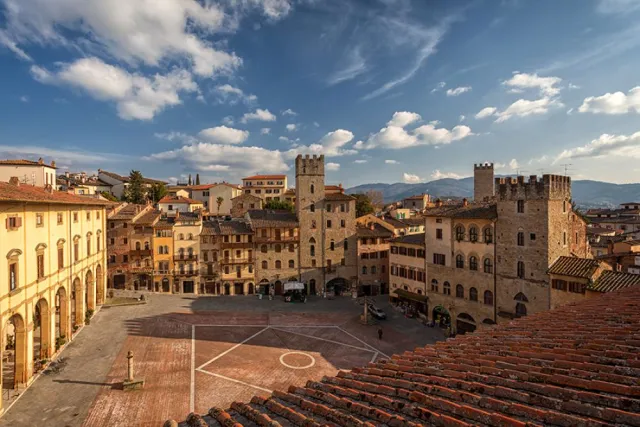
Arezzo: art city with medieval Piazza Grande (Saracen Joust, monthly Antique Fair), Church of San Francesco with Piero della Francesca's Legend of True Cross (Renaissance fresco cycle), Gothic Cathedral with Guillaume de Marcillat stained glass, Vasari's house.
Cortona: Etruscan-medieval village perched (600 m) with Val di Chiana and Lake Trasimeno view, Piazza della Repubblica, MAEC (Etruscan museum), steep alleys, "Under the Tuscan Sun" set.
Food and Wine: Simplicity and Quality
Tuscan cuisine is simple, based on quality ingredients, salt-free bread:
First courses:
- Pappardelle with wild boar
- Pici (thick fresh pasta) cacio e pepe or with aglione
- Ribollita, pappa al pomodoro
Second courses:
- Bistecca alla fiorentina of Chianina
- Peposo: beef stew in red wine (Brunelleschi's furnacemen's dish)
- Cacciucco: Livorno fish soup
- Trippa, lampredotto
Cured meats:
- Lardo di Colonnata IGP
- Finocchiona: fennel seed salami
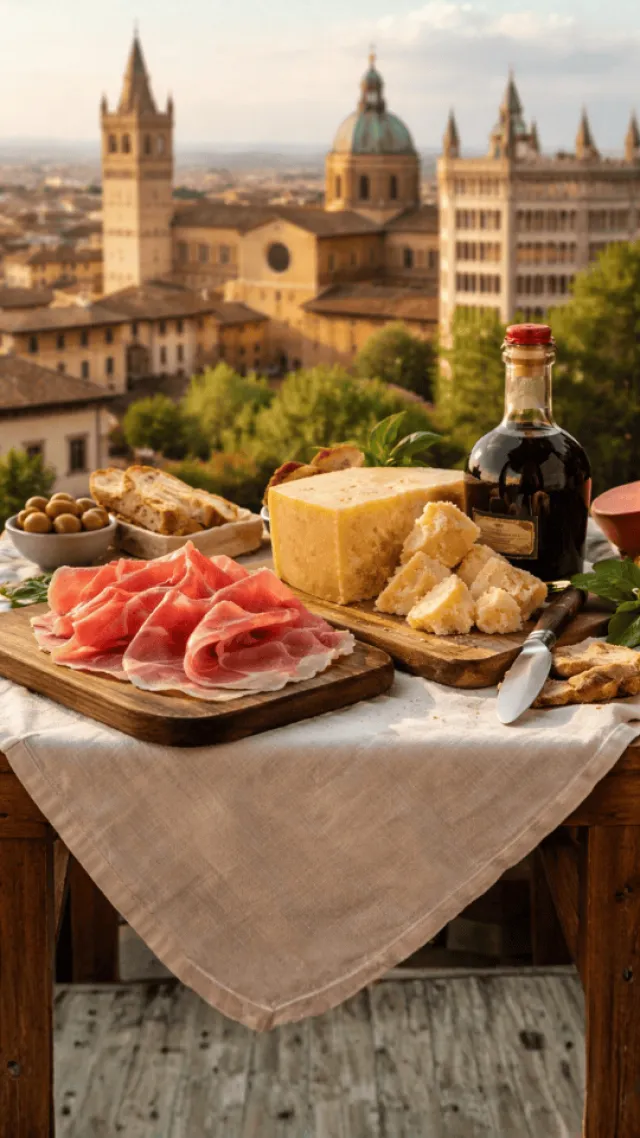
- Prosciutto Toscano DOP
Cheeses:
- Pecorino Toscano DOP: fresh or aged
- Pecorino di Pienza DOP
Desserts:
- Cantucci with Vin Santo
- Panforte from Siena
- Ricciarelli: soft almond cookies
- Castagnaccio: chestnut flour cake
Wines (Tuscany is among world's top wine regions):
- Chianti Classico DOCG
- Brunello di Montalcino DOCG
- Vino Nobile di Montepulciano DOCG
- Vernaccia di San Gimignano DOCG
- Bolgheri DOC: Sassicaia, Ornellaia (Supertuscans)
- Morellino di Scansano DOCG
- Vin Santo: dessert wine for dunking cantucci
Extra virgin olive oil: Tuscany IGP, DOP oils (Chianti Classico, Terre di Siena, Lucca).
Tuscan Villas
Tuscany has over 4,000 Tuscan villas: countryside residences of Venetian nobility (XV-XVIII centuries), many frescoed, with parks, barchesse. Beyond UNESCO Palladian Villas, there are visitable villas: Villa Pisani at Stra (monumental villa with labyrinth), Villa Barbaro at Maser (Palladio + Veronese frescoes).
When to Visit Tuscany
Tuscany is splendid year-round: spring (April-May) for flowering countryside, mild temperatures; summer for sea, lakes, Dolomites, Arena di Verona opera festival; autumn (September-October) for grape harvest, colors, radicchio, fewer tourists; winter for Venice Carnival (February), Dolomites skiing, atmospheric cities.
How to Get Around
Airports: Florence Peretola (Amerigo Vespucci), Pisa Galilei (main), others: Siena, Grosseto (small).
Trains: capillary network connects main cities. High speed stops at Florence. Car rental recommended for Chianti, Val d'Orcia, villages, wineries (impossible to reach by public transport). Organized tours ideal for wine tours with driver (multiple tastings without driving), art cities with guide, cooking classes in farmhouses.
Ferries: for Elba Island from Piombino (1 hour), other archipelago islands.
Discover Tuscany with Expitalia: select experiences you want to live and build tailor-made trip in Renaissance region. Florence, Siena, medieval villages, Chianti, Val d'Orcia and authentic flavors await you.

 Italiano
 English