Sicily: Where the Mediterranean Heart Beats
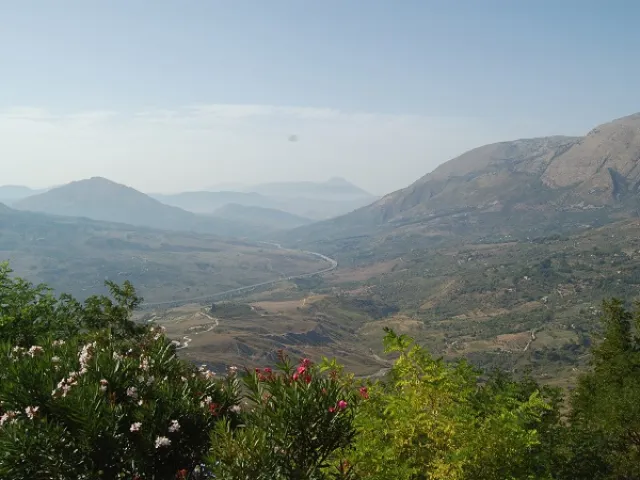
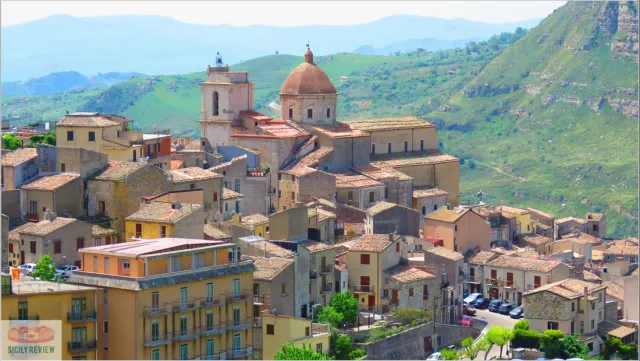
Sicily is the Mediterranean's largest island: a miniature continent where three thousand years of history intertwine, dominations leaving indelible traces (Greeks, Romans, Byzantines, Arabs, Normans, Spanish), landscapes ranging from active volcanoes to Caribbean beaches, from barren plateaus to lush valleys, from Baroque cities to fishing villages. Sicily is Italy squared: intensity, passion, contradictions, beauty, explosive flavors, human warmth.
Palermo: Cultural Crossroads
Palermo, Sicilian capital, is stratified city where Arab, Norman, Baroque, Liberty testimonies coexist. Chaotic, lively, authentic, deeply Mediterranean.
Arab-Norman Palermo (UNESCO Heritage)
Palace of the Normans (Royal Palace) with Palatine Chapel: absolute masterpiece of Arab-Norman art (12th century), with golden Byzantine mosaics, Arab wooden muqarnas ceiling, Cosmatesque floors. Royal halls preserve frescoes and furnishings.
Palermo Cathedral: stratified architecture (Norman, Gothic, Baroque, Neoclassical), with royal tombs (Frederick II, Roger II), treasure with jewels, Constance of Aragon tiara.
San Giovanni degli Eremiti: Norman church with five Arab red domes, 13th-century cloister, citrus garden.
La Martorana (Santa Maria dell'Ammiraglio): church with extraordinary golden Byzantine mosaics (Christ Pantocrator, Roger II's Coronation).
San Cataldo: Norman church with red domes, austere architecture, original floor mosaics.
Zisa Castle: Norman pleasure palace with Arab influences, fountains, mushrabiya, today museum.
Palermo of Markets and Street Food
Historic markets are pulsating heart:
- Ballarò Market: oldest, lively, noisy, with fish, fruit, vegetable, spice stalls
- Vucciria: historic night market today more touristic
- Capo: authentic food market
Palermo street food is legendary:
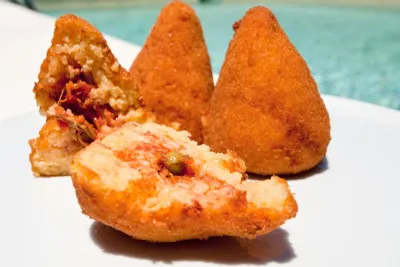
- Arancine (f. with ragù, butter, spinach)
- Panelle: chickpea flour fritters
- Crocché: potato croquettes
- Sfincione: focaccia with onion, anchovies, caciocavallo
- Pane ca' meusa: sandwich with veal spleen and lung
- Pani câ panella: sandwich with panelle and crocché
- Stigghiola: roasted lamb intestines
Other Palermo Sites
Teatro Massimo: Europe's third-largest opera house, monumental neoclassical architecture (Godfather III final set).
Quattro Canti: scenic Baroque intersection (Piazza Vigliena) with four curved facades, statues, fountains.
Pretoria Fountain: monumental Renaissance fountain with nude statues (called "Fountain of Shame").
Capuchin Catacombs: underground corridors with about 8,000 mummified bodies (1599-1880), macabre but historically important visit.
Mondello: Palermo urban beach, white sand, turquoise sea, Liberty (Art Nouveau establishments).
Monreale: The Cathedral of Gold Mosaics
Monreale (8 km from Palermo) guards Norman Cathedral (12th century, UNESCO heritage): interior entirely covered by golden Byzantine mosaics (6,340 sq m) representing Old and New Testament, majestic Christ Pantocrator in apse. Benedictine Cloister with twin columns, carved capitals, Arab fountain is jewel.
Cefalù: Norman Village on Sea
Cefalù is one of Sicily's most beautiful villages: medieval old town at foot of Rocca (270 m limestone promontory), golden beach in front of village, romantic atmosphere.
Norman Cathedral (12th century, UNESCO heritage) dominates square: facade with two towers, interior with Byzantine mosaics (apse Christ Pantocrator), cloister.
Rocca: panoramic climb (45 min) to remains of Temple of Diana (5th century BC), medieval Castle, breathtaking view over village and sea.
Seafront with fish restaurants, medieval alleys with artisan shops, medieval Lavatoio (covered 16th-century public washhouse).
Taormina: Terrace on the Sea
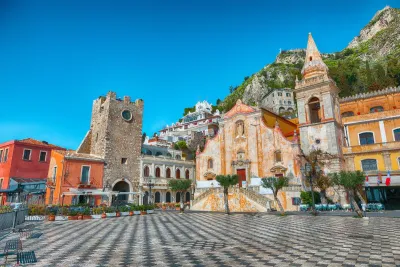
Taormina is Sicily's most glamorous resort: medieval village perched 200 meters above sea, with view of Etna and Naxos Bay, sophisticated atmospheres.
Greek Theater (3rd century BC): magnificently preserved, carved in rock, with sea and Etna view in background (one of world's most beautiful theatrical settings). Hosts concerts, summer performances.
Corso Umberto: main pedestrian street with historic palaces, Porta Messina, Porta Catania, Piazza IX Aprile (panoramic belvedere), boutiques, elegant cafés, jewelry shops.
Isola Bella: islet connected to beach by sand strip (tombolo), Nature Reserve, reachable via cable car from Taormina or road.
Castelmola: medieval village above Taormina (5 km), ruined castle, vertiginous panoramas, almond wine.
Etna: Europe's Highest Active Volcano
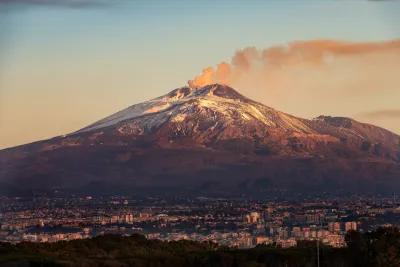
Etna (3,357 m, variable height due to eruptions) is Europe's highest active volcano and one of world's most active: UNESCO heritage, Natural Park.
Etna excursions depart from:
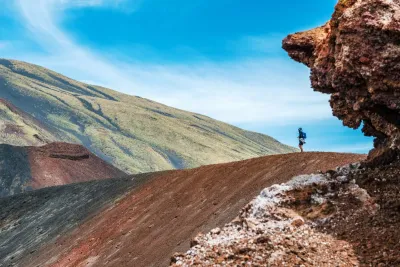
- Rifugio Sapienza (south side, 1,900 m): cable car to 2,500 m, then jeep/trekking to summit craters (3,000 m), extinct craters, lava flows, lunar landscapes
- Piano Provenzana (north side): less touristic, birch forests, craters
Guided tours with vulcanological guides allow approaching craters safely, walking on recent flows, visiting lava caves (Gelo Cave with perennial ice), tasting Etna products (honey, wine, pistachios).
Etna Park offers trails for hiking, mountain biking, skiing (Etna Nord in winter), alpine refuges.
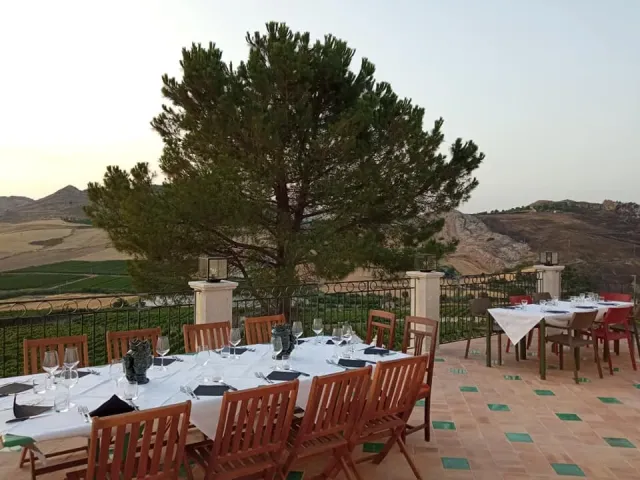
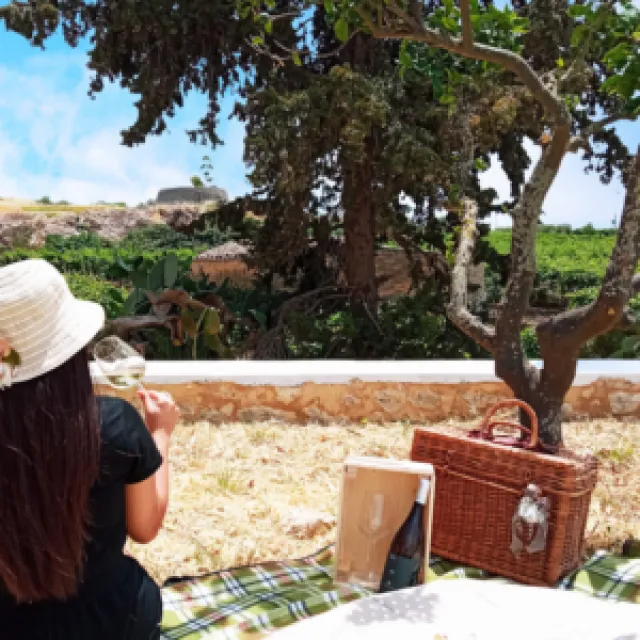
Etna DOC wines (Etna Rosso, Etna Bianco) produced on volcanic soils are excellences: visitable wineries (Benanti, Planeta, Murgo, Gambino) with Etna-view tastings.
Syracuse: Greece in Sicily
Syracuse was Magna Graecia's largest and most powerful city, Athens rival. Today UNESCO heritage art city.
Ortygia: islet connected by bridges, historic Syracuse heart, with Baroque alleys, palaces, squares, seafront.
- Cathedral: built incorporating Temple of Athena (5th century BC), Greek Doric columns visible in naves. Sicilian Baroque facade.
- Arethusa Fountain: freshwater spring with papyri (unique in Europe outside Egypt), Arethusa nymph legend.
- Maniace Castle: Swabian fortress at south Ortygia end, on sea.
- Ortygia market, freshest fish restaurants.
Neapolis Archaeological Park:
- Greek Theater (5th century BC): among world's largest, rock-carved, classical plays in summer (INDA - National Ancient Drama Institute).
- Ear of Dionysius: 23 m high artificial cave with extraordinary acoustics (amplifies 16 times), so named by Caravaggio.
- Roman Amphitheater (2nd century AD): gladiator games, naval battles (floodable arena).
- Latomie: stone quarries where Athenian soldiers were imprisoned.
Euryalus Castle: Greek fortress (4th century BC) on heights, part of Dionysian walls.
Noto, Modica, Ragusa: Hyblaean Baroque
Val di Noto cities are UNESCO heritage for Sicilian Baroque rebuilt after 1693 earthquake.
Noto: "Sicilian Baroque capital," perfectly designed museum-city, honey-colored limestone that becomes golden at sunset.
- Cathedral of San Nicolò: monumental staircase, dome rebuilt after collapse
- Palazzo Ducezio: Baroque town hall with Hall of Mirrors
- Church of San Domenico, Palazzo Nicolaci with balconies decorated by Baroque corbels
- Corso Vittorio Emanuele: main axis among Baroque palaces and churches
Modica: city on two levels (Upper and Lower Modica), Hyblaean Baroque with Spanish influences.
- Cathedral of San Giorgio: scenic staircase, monumental Baroque facade
- Modica Chocolate IGP: Aztec-Spanish cold processing, grainy (with undissolved sugar), flavored (cinnamon, chili, vanilla)
- Tastings in historic chocolate shops (Bonajuto 1880, Donna Elvira)
Ragusa Ibla: city divided into upper Ragusa (modern) and Ibla (Baroque).
- Cathedral of San Giorgio: Baroque masterpiece with neoclassical dome
- Alleys, noble palaces, restaurants (Ragusa is Sicilian starred cuisine capital)
- Giardino Ibleo: panoramic public park
Scicli: Baroque village valley among caves, San Bartolomeo church, Inspector Montalbano set.
Agrigento: Valley of the Temples
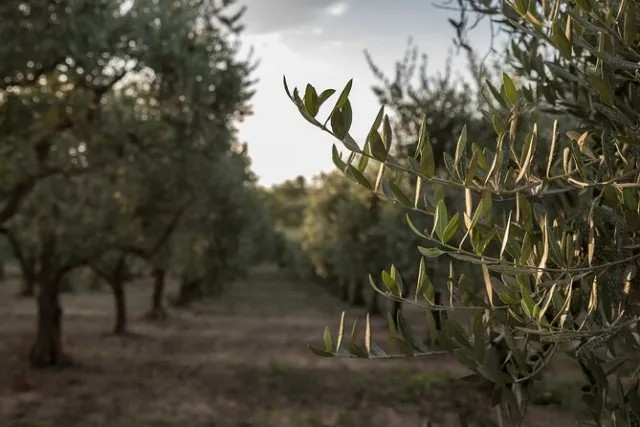
Valley of the Temples in Agrigento is UNESCO heritage: archaeological area with Greek Doric temples (5th century BC) among world's best preserved, immersed in olive and almond groves.
Temples:
- Temple of Concordia: among world's best preserved (with Parthenon), complete entablature, intact columns
- Temple of Juno (Hera Lacinia): on height, panoramic
- Temple of Hercules: oldest, partially raised columns
- Temple of Olympian Zeus: would have been largest Doric temple ever built, today collapsed (Telamones = monumental atlantes statues)
- Temple of Dioscuri: Agrigento symbol, four columns with entablature
Ideal visit at sunset or with night lighting (spectacular). Almond Blossom Festival (February) sees temples surrounded by flowering almonds.
Piazza Armerina: Unique Roman Mosaics
Roman Villa del Casale (near Piazza Armerina) is UNESCO heritage: late-imperial Roman villa (4th century AD) with world's largest complex of perfectly preserved Roman mosaics (3,500 sq m).
Mosaics depict daily life scenes, mythology, Great Hunt (exotic animal capture for Circus games), and famous Bikini Girls (first representations of two-piece swimsuit).
Aeolian Islands: UNESCO Volcanic Heritage
Aeolian Archipelago (7 volcanic islands) is UNESCO heritage: active/extinct volcanoes, crystal waters, lunar landscapes.
Lipari: largest main island, with fortified citadel, Aeolian Archaeological Museum, beaches (Canneto, Acquacalda with white pumice quarries), lively center.
Vulcano: active volcano with scalable crater (1h, sulfur vapors, archipelago panorama), sulfur thermal mud, Venere Pool (volcanic hot waters), black volcanic beaches.
Stromboli: "Mediterranean lighthouse," volcano in permanent activity with explosions every 15-20 minutes. Night crater excursion with vulcanological guide (900 m, 3h ascent) to see incandescent explosions. Sciara del Fuoco: side where lava descends to sea. Night boat tours circumnavigate island to see explosions from sea.
Salina: green island with lush vegetation, vineyards (Malvasia delle Lipari sweet), Pollara (semicircular bay, "Il Postino" film set with Massimo Troisi), Lingua (brackish pond, granita).
Panarea: chic island, VIP, yachts, coves, nightclubs, Cala Junco (natural pool), islets (Basiluzzo, Dattilo).
Filicudi and Alicudi: most remote, wild, car-free, for those seeking absolute tranquility.
Trapani and Salt Pans
Trapani is maritime city on western tip, between two seas. Baroque old town with churches (Cathedral of San Lorenzo, Sanctuary of Annunziata with Madonna of Trapani), fish market.
Trapani and Paceco Salt Pans: Nature Reserve with salt basins, historic windmills (some visitable), Salt Museum, pink flamingos, spectacular sunsets on pink salt. Trapani sea salt is IGP.
Erice: medieval village at 750 m on Monte San Giuliano, cyclopean walls, Castello di Venere (temple dedicated to Venus Ericina), stone alleys, fog, Maria Grammatico pastry shop (almond sweets), panoramas to Egadi.
Egadi Islands: Crystal Sea
Egadi (Favignana, Levanzo, Marettimo) are paradise for diving, snorkeling, nature.
Favignana: "butterfly on sea" for shape, Cala Rossa and Cala Azzurra (flooded tuff quarries with turquoise water), Tonnara Florio (former tuna processing plant, today museum), bicycle to tour island.
Levanzo: small, wild, Grotta del Genovese with prehistoric graffiti (10,000 years ago).
Marettimo: farthest, mountainous, Castello di Punta Troia, sea caves, trekking, diving.
San Vito Lo Capo: Caribbean Beach
San Vito Lo Capo has one of Italy's most beautiful beaches: 3 km finest white sand, transparent turquoise water, Monte Monaco and Monte Cofano background. Perfect for families (shallow seabed). Cous Cous Fest (September) celebrates Trapani dish.
Zingaro Reserve: Sicily's first reserve, wild coast with coves (Cala Tonnarella dell'Uzzo, Cala Marinella), panoramic coastal trails, protected flora and fauna (no cars, only on foot).
Segesta and Selinunte: Temples in Nature
Segesta: Elymian archaeological site with hilltop Doric temple (5th century BC) isolated, perfectly preserved (never completed, roofless), surrounded by Sicilian countryside. Greek theater on Monte Barbaro with valley views.
Selinunte: one of Mediterranean's largest archaeological parks, with ruined Greek temples (Temple E, C, G the largest ever built), acropolis, tuff quarries, near sea. Romantic atmosphere of ruins immersed in nature.
Food and Wine: Explosive Mediterranean Flavors
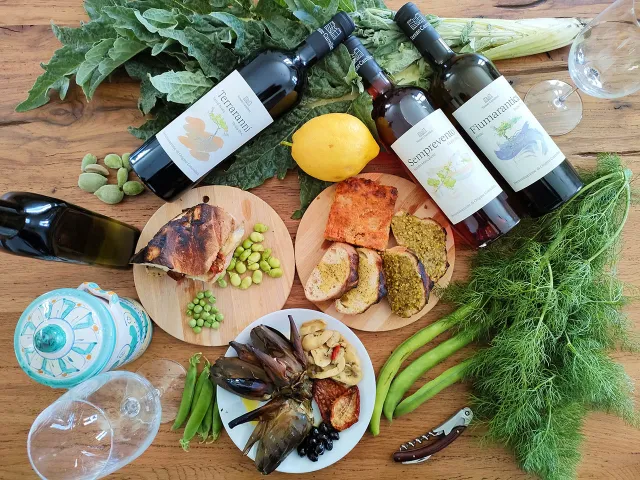
Sicilian cuisine is richest, influenced by Greeks, Arabs, Spanish, French:
First courses:
- Pasta alla Norma: tomato, fried eggplant, salted ricotta (Catania)
- Pasta con le sarde: with sardines, wild fennel, pine nuts, raisins, saffron (Palermo)
- Busiate al pesto trapanese: pasta with tomato, almonds, basil, garlic
- Arancine: with ragù, butter, spinach, pistachio
Second courses:
- Swordfish ghiotta-style or involtini
- Red tuna (Favignana)
- Sarde a beccafico: stuffed sardines
- Eggplant involtini
Street food:
- Panelle, crocché, sfincione
- Pane e panelle
- Stigghiola (Palermo)
- Scacce ragusane
Desserts (legendary Sicilian pastry):
- Sicilian cannolo: fried wafer filled with ricotta, candied fruit, pistachios
- Sicilian cassata: sponge cake, ricotta, marzipan, icing, candied fruit
- Granita with brioche (almond, lemon, mulberry, pistachio)
- Frutta Martorana: marzipan molded as fruit
- Almond pastries
- Gelo di melone: watermelon pudding
Typical products:
- Bronte Pistachio DOP: emerald green, from Etna volcano
- Pantelleria Capers IGP
- Pachino Tomato IGP
- Modica Chocolate IGP
Wines:
- Nero d'Avola: powerful Sicilian red
- Etna DOC: volcanic red and white
- Cerasuolo di Vittoria DOCG: only Sicilian DOCG
- Marsala DOC: fortified wine
- Pantelleria Passito and Malvasia delle Lipari: sweets
When to Visit Sicily
Sicily is visitable year-round: spring (April-May) for temples, cities, flowering almonds, mild temperatures; summer (June-September) for sea (July-August very hot); autumn (September-October) ideal for climate, grape harvest, fewer tourists; mild winter for cities, snowy Etna, mature citrus.
How to Get Around
Airports: Palermo Falcone-Borsellino (west), Catania Fontanarossa (east), Trapani Birgi (low-cost west).
Ferries: from Naples, Genoa, Livorno, Civitavecchia, Salerno to Palermo, Catania, Messina.
Car rental: strongly recommended for freedom (archaeological sites, villages, beaches). Distances: Palermo-Catania 220 km (2.5h highway).
Trains: network present but slow for internal connections. Circumetnea (tourist railway around Etna).
Hydrofoils/ferries: for Aeolian (from Milazzo, Messina, Palermo), Egadi (from Trapani), Pantelleria, Ustica.
Organized tours: ideal for Valley of Temples, Etna, archaeological sites, wineries, cooking classes.
Discover Sicily with Expitalia: select experiences you want to live and build tailor-made trip in sun island. Greek temples, UNESCO Baroque, smoking Etna, paradise beaches, cannoli and arancini await you.

 Italiano
 English